Lysionotus pauciflorus is a plant in the Gesneriaceae family; let us introduce you to its characteristics and main uses
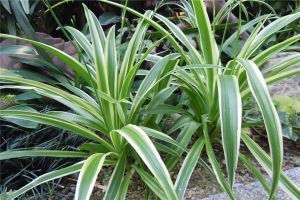
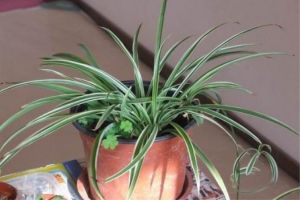
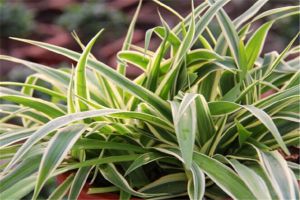
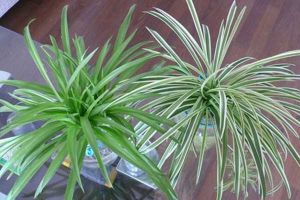
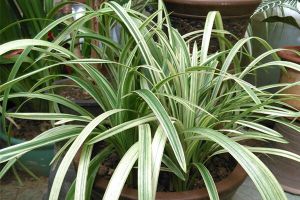
Lysionotus pauciflorus is a subshrub in the genus Lysionotus of the family Gesneriaceae, with the scientific name Lysionotus pauciflorus. It is commonly known among gardeners as diaoshi jutai, shijiangdou, or yanzelan. Although its name contains the characters for "diaolan" (spider plant), it is not the same kind of plant as the common indoor foliage spider plant; the two belong to different families and genera, and only their plant shape is somewhat similar, which easily causes confusion.
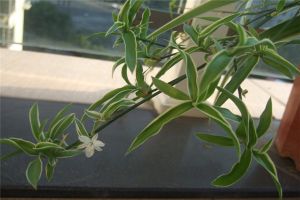
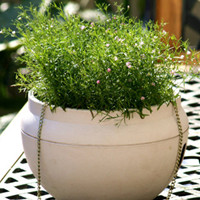
In terms of appearance, Lysionotus pauciflorus is a small plant, with stems that often creep or slant upward, and leaves that are mostly leathery, usually in whorls of three, rather narrow and elongated, with a glossy surface. When it blooms, it produces small tubular flowers in light purple or white tinged with purple, hanging from the branches, and it is quite ornamental. In the wild, it mostly grows on rocks or tree trunks in valleys, beside streams, and under forest canopy. It likes warm, humid, semi-shaded environments and is widely distributed in the Yangtze River basin and areas to the south in China.
In terms of application value, Lysionotus pauciflorus is a traditional Chinese medicinal herb, generally used in medicine as the whole plant. Traditional Chinese medicine holds that it has effects such as resolving phlegm and relieving cough, and softening hardness and dispersing nodules, and it is often used in combination formulas for symptoms such as cough with abundant phlegm. It should be noted that medicinal use should follow the guidance of professional doctors; do not dig it up and decoct it yourself, to avoid health risks.
If you want to grow it as an ornamental plant, you can refer to its native environment, choose a loose, breathable, well-drained growing medium, and place it in a bright spot with scattered light. During the growing season, keep the potting soil slightly moist but avoid waterlogging, and pay attention to cold protection and warmth in winter. Because it tolerates shade relatively well, it is also very suitable for accenting courtyard rock landscapes or indoor windowsills. It is a niche plant with both ornamental and medicinal value.
Related Reading