Ping'an Tree Pictures to Enjoy: Leaf and Branch Features at a Glance
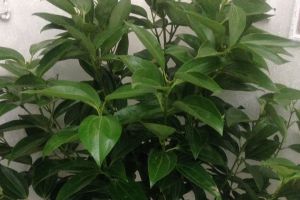
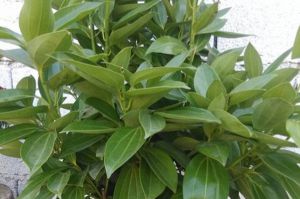
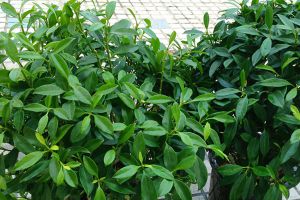
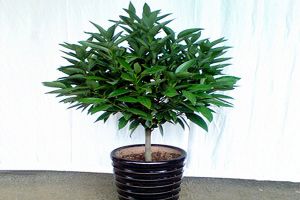
The Ping'an tree, botanical name Cinnamomum kotoense, is an evergreen small tree in the genus Cinnamomum of the family Lauraceae. It originates from the Lanyu area of Taiwan, China, and gets its name from the auspicious meaning of peace and safety. Today it is a very popular foliage houseplant. In pictures, it has an upright, well-proportioned form, with erect branches and a compact, full shape, giving an overall impression of neatness and tidiness.
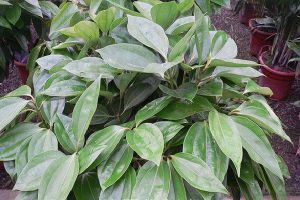
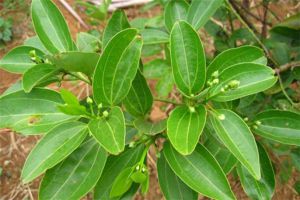
The leaves are the main point of interest. The leaves of the Ping'an tree are mostly ovate-elliptic, leathery and glossy, bright green on the surface, looking oily and thick, with clearly visible veins. The leaves grow opposite each other on both sides of the branches in neat rows, often creating a distinctly layered effect in photos. Young leaves are lighter in color and more tender green, while older leaves are a deep, steady green, which is also a reference for judging a plant's condition from pictures.
As a potted plant, the Ping'an tree is often placed in living rooms, studies, or near doorways. It decorates indoor spaces while also carrying the beautiful meaning of wishing for peace and safety. In terms of care, it likes a warm, humid environment with diffused light, and it fears intense direct sunlight and waterlogging in the pot. Watering should follow the principle of watering when dry and stopping when wet, and in winter it is important to keep it warm and protect it from the cold.
If the plant in the pictures shows spots on the leaves, yellowing, or curling, it is most likely related to poor ventilation, improper watering, or overly strong light, and the care environment should be adjusted promptly. When choosing one, you may compare it with the pictures and select a plant with deep green leaves, no disease spots, and a well-balanced shape, which will make later care easier.
Related Reading