Paulownia: Fast Growth and Beautiful Flowers, with a Full Breakdown of Its Characteristics and Cultivation Value
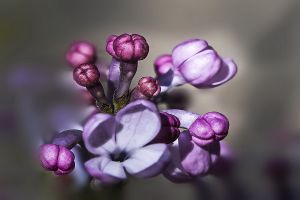
Paulownia is the collective name for deciduous trees in the genus Paulownia of the family Paulowniaceae; in older classifications it was also placed in the family Scrophulariaceae, and it is a native tree species originating in China. Its most striking feature is its rapid growth: a young tree can grow into a large tree in just a few years, with a straight trunk and a broad crown. The leaves are huge and nearly heart-shaped, and in spring the flowers appear before the leaves, with pale purple bell-shaped blooms hanging in clusters all over the branches, a truly spectacular sight from a distance, carrying a faint, delicate fragrance.
Common species include white-flowered paulownia, downy paulownia, Lankao paulownia, and catalpa-leaf paulownia. White-flowered paulownia has whiter flowers and a relatively wide range of adaptability; downy paulownia is more cold-tolerant and is more often seen in the north; Lankao paulownia is known for its good trunk form and fast growth and is often used in crop-paulownia intercropping. When choosing a species, simply decide based on the local climate and soil conditions.
Paulownia likes a sunny environment and is suited to deep, well-drained sandy loam. It is fairly drought-tolerant but not waterlogging-tolerant, and roots rot easily in low-lying, waterlogged spots. Propagation is most commonly done by burying roots to raise seedlings, and sowing is also possible; both take root easily. The key point in care is preventing and treating witches' broom disease: if branches become clustered and leaves grow smaller, the diseased branches should be pruned away promptly, while also watching for pests such as the largebag moth.
In terms of practical value, paulownia wood has a straight grain, is light and soft, and is not prone to warping or cracking, so it is often used to make furniture, instrument soundboards, and packaging materials. Paulownia flowers are rich in nectar and are an important nectar source plant in spring. In addition, with its spreading crown and attractive flowers, it is also suitable as a street tree or shade tree, offering both greening and economic value.
Related Reading