What to do after crabapple flowers bloom? Post-bloom care and management methods
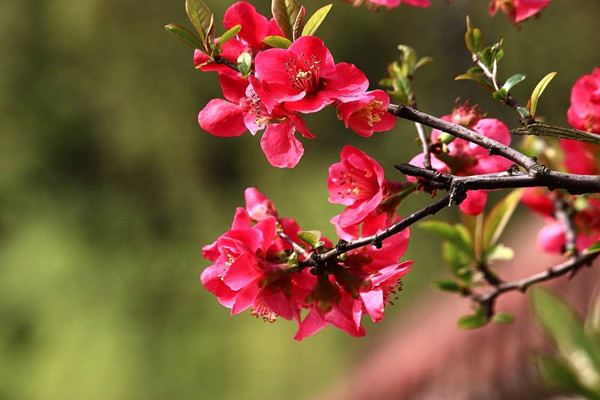
1. Post-bloom pruning
After the flowers have finished blooming, the first thing we should do is prune the spent flowers. First, be sure to remember to promptly remove the flower centers and get rid of the spent blooms. This can effectively reduce the waste of nutrients and help the plant grow more luxuriantly.
2. Watering
During the blooming process, the flowers consume a large amount of nutrients and water. After the plant has bloomed, it also needs to accumulate a certain amount of strength. After the flowers fade, we should water in time. Crabapple relatively prefers a warm and moist growing environment, so it is best to pay attention to this. However, during the budding period, the amount of water needs to be reduced to prevent root rot. In addition, when watering, it is best to pour slowly along the edge of the flower pot, and the water should preferably be left to stand in advance.
3. Fertilizing
In fact, when it comes to fertilizing, many people have a misconception. Many people think that as long as crabapple is given fertilizer supplements in a timely manner according to the requirements, no further attention is needed the rest of the time. This idea is wrong. If crabapple is to grow well, the amount of fertilizer should be determined according to its leaf color and growth condition. However, care should also be taken not to overdo it, to prevent problems such as root damage caused by fertilizer burn.
4. Disease prevention
When crabapple faces high temperatures and muggy conditions, it is very easy for bacteria to breed, leading to the occurrence of diseases. Therefore, during this period, attention should also be paid to timely cooling and ventilation.
5. Sunlight
During the care stage, especially when the light is particularly intense, it is best not to let the plant receive direct sunlight, as this is very likely to cause leaf scorch and affect its appearance. Usually, it is best to place it on a balcony or in a semi-shaded spot in the courtyard for care. When growing it indoors, be sure to keep it ventilated!