Canna Lily Flowers: Characteristics, Blooming Season and Care Guide
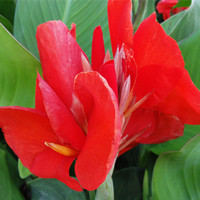
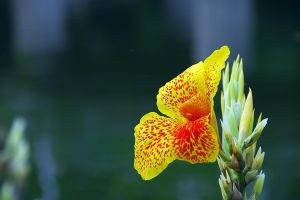
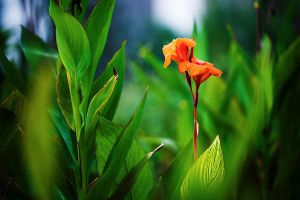
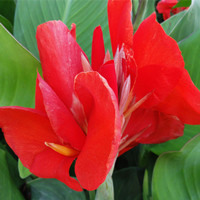
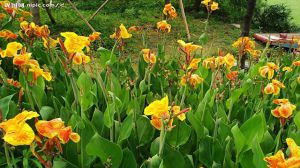
Canna lily flowers are the blooms of perennial herbaceous plants in the genus Canna of the family Cannaceae. Native to tropical America, they are now widely cultivated in courtyards and parks across China. Their flowers are large and showy, commonly in red, yellow, orange and other colors, and the blooming season is mostly concentrated in summer and autumn, making them a very popular ornamental flower.
Canna plants are relatively tall, with upright stems and broad, spreading leaves shaped like banana leaves. The underground part is a fleshy rhizome, making it a typical herbaceous perennial. It prefers a warm, humid environment with plenty of sunlight, tolerates heat but not cold, and its above-ground parts wither at low winter temperatures. In northern regions, the rhizomes often need to be dug up and stored, then replanted the following spring.
Caring for cannas is not difficult. They are not demanding about soil, but grow better in loose, fertile, well-drained soil. During the growing season, keep the water supply adequate; insufficient light tends to cause leggy growth and fewer flowers. If the leaves turn yellow, you can investigate the cause from three aspects - watering, fertilizing and light - and then adjust your care accordingly.
Many people wonder whether cannas are toxic and whether they can be grown indoors. Cannas are generally considered to have no obvious toxicity and are fine for normal viewing, but they should still not be eaten by mistake, and placing them in a ventilated, bright spot is better for growth. During the blooming period, promptly removing spent flowers and supplementing nutrients appropriately helps extend the overall blooming season, keeping the courtyard or balcony colorful for a long time.