Is Canna Lily Toxic? Know the Facts Before You Grow It for Peace of Mind
1. Is It Toxic?
Many gardening enthusiasts want to grow this plant, but having vaguely heard others mention that it is somewhat toxic, they hesitate and give up. Actually, this is unnecessary. The view that it is toxic refers to its role as a medicinal herb. As a medicinal plant, it does have some degree of toxicity. However, if it is kept at home as an ornamental plant, there is absolutely no need to worry, as its toxicity can be considered negligible. Moreover, it is indeed very commonly kept at home without any problems.
2. Ornamental Value
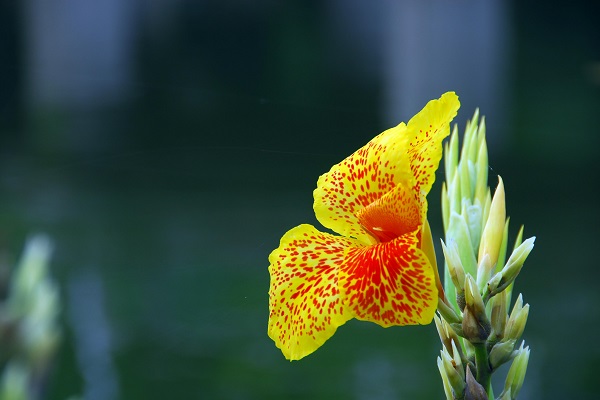
From the image, we can also see that its branches and leaves are lush, and its flowers are large and brightly colored. Not only is it beautiful, but its blooming period is also very long. Furthermore, because its blooming period falls at just the right time, it can enrich the colors of a garden and make it more natural and beautiful. So, it is not only grown at home but is also very widely used in landscaping. In addition, considering that it can adapt to various environments and is relatively easy to manage, being both economical and convenient, it has been more widely accepted by people. There are two places where it is most widely used. One is along streets, creating a vibrant scene and making vertical changes more pronounced. The other is in flower beds, flower borders, and similar areas, where it adds endless charm and can also showcase the beauty of group plantings.
3. Environmental Benefits
This plant not only does no harm to the human body but is actually very beneficial. Most notably, it has the ability to absorb gases such as SO2 and CO2. Its leaves are quite sensitive, so its ability to monitor pollutants is extremely strong, making it an excellent air quality detector.