A Detailed Guide to the Characteristics and Indoor Cultivation of the Green Giant (Dieffenbachia)
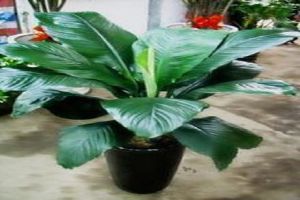
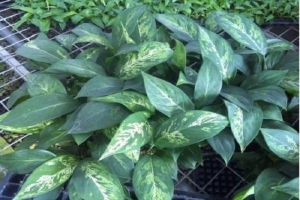
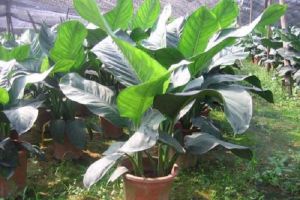
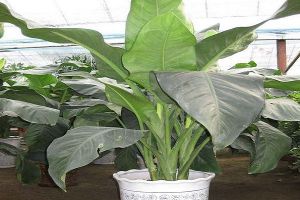
The Green Giant (Dieffenbachia) is a perennial evergreen herbaceous plant of the Araceae family and a common indoor foliage plant. Its leaves are broad and thick, dark green and glossy, and its upright, imposing form makes it a steady and elegant addition to living rooms, offices and other spaces, beautifying the environment. Because it is strongly shade-tolerant and easy to care for, it is especially suitable for beginners.
In terms of care, the Green Giant prefers a warm, humid, semi-shaded environment and fears direct strong light, so placing it in a spot with bright indirect light is sufficient. Watering should follow the principle of watering when dry and letting it dry out between waterings; long-term waterlogging of the potting soil can easily cause root rot and yellowing leaves. During the peak growing season, a light liquid fertilizer can be applied as needed, while in winter it is important to keep it warm, with the room temperature not too low, and to reduce watering.
The Green Giant is mainly propagated by division and cuttings, which are simple to perform and have a high survival rate. Division is usually done together with repotting: simply separate the small offshoots growing beside the mother plant and plant them separately. For cuttings, select healthy stem sections and insert them into a moist, loose medium, keeping them in a warm, humid environment; once rooted, they can be moved into pots for normal care.
In daily care, the Green Giant occasionally develops problems such as yellow or rotting leaves, mostly related to overwatering, poor ventilation or sudden temperature changes. When rotting leaves are found, the diseased leaves should be cut off promptly, watering should be controlled and ventilation improved; if necessary, replace the soil with a loose, breathable potting mix, and the plant will generally gradually recover its vigor.