What are the cultivation methods and precautions for Philodendron tuxla?
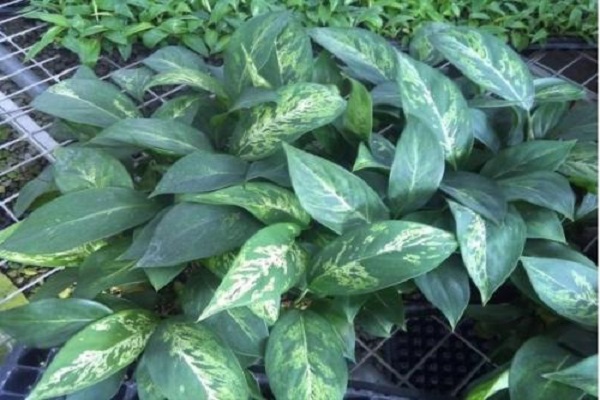
I. Cultivation Methods
1. Soil
Growing it requires loose soil with good permeability. You can add some water to some plant ash and use it as potting soil. If your pot is 12 cm thick, you will need about 350 ml of plant ash. Do not plant it too deep in the soil; about three small plants per flower pot is enough.
2. Light
It prefers semi-shaded areas. Do not let the sun scorch it, otherwise its leaf edges will easily dry out and turn yellow, which makes it unattractive. But if it is too dark, the leaf color will become lighter and look unhealthy.
3. Temperature
Its cold resistance is not very strong. It should be kept at 20 to 30°C. In winter it will enter dormancy, and once the temperature drops below 13°C it will stop growing. However, the lowest temperature it can tolerate is 12°C. Do not let it freeze, otherwise the leaves will turn yellow and the top buds will die.
4. Watering
Its drought resistance is relatively strong, but it also likes moisture. Watering it about once every three days is enough. Wait until the pot is dry before watering, and just keep it slightly moist. March to August is when it grows vigorously, so spray water frequently to keep the environment at the right humidity.
5. Fertilizing
During its growth period, add nitrogen fertilizer once a month, and it will grow quickly. Add a compound fertilizer about once every 20 days; from March to August, add it once every half month, and afterward you can reduce the frequency. Change the soil once every year so the plant will look good.
II. Precautions
1. Its roots are fleshy. If there is too much water, it will become waterlogged and the roots will rot quickly, but if there is not enough humidity, the leaves will also turn dry and yellow.
2. Avoid letting heavy rain fall on it, especially when it is about to bloom. Place it in a cool, windy spot.
3. In summer, when the temperature is too high, water it frequently. You can also spray some water on the leaves, which can remove dust, lower the temperature, and increase humidity.
4. Leaf spot disease is what it is most prone to. If the surroundings are too humid, it will get this disease, so controlling water is really important.