The lily of the valley flower meaning is "the return of happiness," and it also symbolizes purity and beautiful wishes.
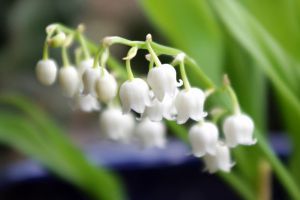
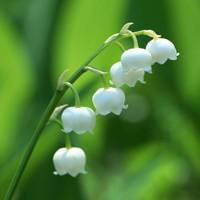
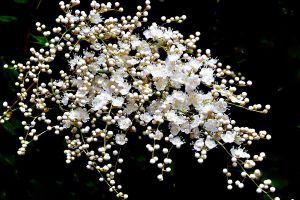
Lily of the valley is a perennial herbaceous plant with fleshy roots, whose small, milky-white, bell-shaped flowers hang in drooping clusters and usually bloom in late spring and early summer. Its flower meaning is "the return of happiness," and it is often extended to suggest purity, elegance and gentle protection. Because of these lovely associations, lily of the valley frequently appears in blessing bouquets and wedding floral arrangements.
This flower meaning is closely tied to its form and blooming season. The flowers look like a string of quiet little bells, understated and clean, and they happen to open just as spring is ending, making people think of happiness quietly arriving at their side. White itself is a symbol of purity, so lily of the valley is also often used to express sincere and flawless blessings.
Folk legends about lily of the valley are fairly widespread. Although the versions differ, most revolve around searching for happiness and guarding love, with the core belief that good things will eventually come. In France and elsewhere, people traditionally give lily of the valley to one another on May 1, treating the day as a time for passing on blessings. These cultural backgrounds have made the flower meaning of lily of the valley all the more deeply rooted.
Finally, a reminder: the whole lily of the valley plant is toxic. The flowers, stems, leaves and sap must not be ingested; it is for ornamental enjoyment only, and households with children or pets should keep it out of reach. As for care, it prefers a cool, semi-shaded environment and dislikes strong, direct sun; during the growing season, simply keep the soil slightly moist. If the leaves turn yellow, it is usually related to improper light, watering or fertilizing; adjust the care method in time and it can often still recover.
Related Reading