An Introduction to the Characteristics, Common Varieties and Care Methods of Wintersweet
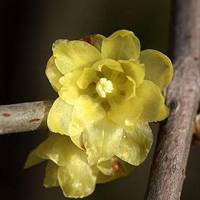
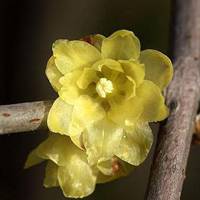
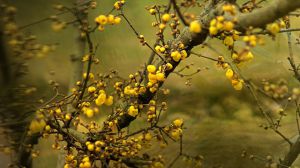
Wintersweet is the flower of the deciduous shrub in the genus Chimonanthus of the family Calycanthaceae. It mostly blooms in winter and gets its name because it often flowers around the twelfth lunar month. Its tepals are waxy yellow with a wax-like texture and a rich, delicate fragrance, and it blooms before the leaves appear, so when it flowers the bare branches are covered with blossoms, giving a very striking ornamental effect.
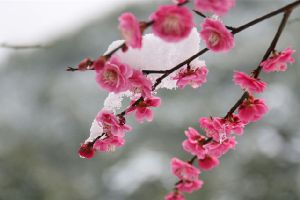
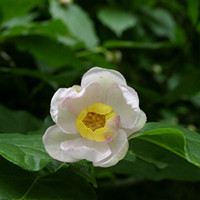
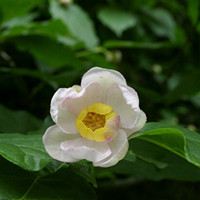
Many people confuse wintersweet with plum blossom, but the two are not the same plant. Plum blossom belongs to the rose family, and its flowering period and flower shape are clearly different. Among plants of the same family there is also the summer sweetshrub (Calycanthus), which blooms in early summer and has larger flowers, making it a rather special member of the wintersweet family.
Common varieties include the pure-hearted wintersweet, the Qingkou wintersweet and the dog-tooth wintersweet. Among them the pure-hearted type has a pure flower center and a stronger fragrance, giving it higher ornamental value; the dog-tooth type has small, pale flowers and is often used as grafting rootstock. Different varieties each have their own features in flower color, flower shape and fragrance, so you can choose according to your preference.
For care, wintersweet likes sunlight and tolerates cold and drought, and it fears waterlogging most of all. It should be planted in loose, breathable soil, and watering should follow the rule of letting the soil dry before watering again. After flowering, proper pruning of the leggy branches helps maintain the plant's shape and also benefits flowering the following year. If the leaves turn yellow, it is usually related to overwatering, insufficient light or lack of fertilizer, and you can check and adjust these one by one as part of routine care.
In terms of use, wintersweet can be planted in groups in courtyards and along roadsides, or grown in pots and pruned into a stump-style specimen, and its flowers can also be used to extract fragrance. Cutting a few branches in winter and placing them in a vase fills the room with a fresh scent, making it a traditional ornamental flower and tree of great charm.
Related Reading