How adaptable is wintersweet really? Read this and you will understand
Other names for wintersweet
Jinmei, Lahua, LaMeihua, Lamu, Mamuzi, Shiliangcha, Tangmei, Xiangmei.
Growing habits of wintersweet
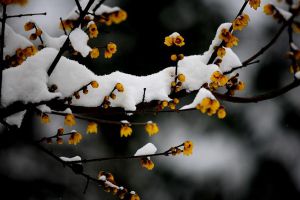
Wintersweet likes sunlight, tolerates shade and dislikes waterlogging. Wintersweet flowers can bloom proudly in frosty, snowy and cold weather; the flowers are yellow like wax and strongly fragrant, making it a major flowering tree for winter viewing. Wintersweet is cold-hardy and can overwinter safely when temperatures do not fall below-15°C; it can be grown outdoors in areas south of Beijing, but if the flowering period encounters-10°C low temperatures, the flowers suffer cold damage.
Wintersweet usually grows in deep, fertile, loose, well-drained, slightly acidic sandy loam, and grows poorly on saline-alkali soil.
Wintersweet is fairly drought-tolerant and afraid of waterlogging, so when cared for at home do not water too frequently. The tree grows vigorously with abundant branching, and suckers readily appear at the root crown. It tolerates pruning and is easy to shape. It flowers before leafing out, with the flowering period from11month~the following year3month,7~8month.
The symbolism of wintersweet
A loving heart, a noble soul. Loyal, independent, resolute, faithful, strong, steadfast, pure and noble. Lofty integrity, proud and unyielding, a clear heart, noble spirit, independent and innovative.