Wintersweet: Do you really know it? A complete guide to wintersweet
Alternative names for wintersweet
Jinmei, lahua, la meihua, la mu, mamu zi, shi liang cha, Tang mei, xiang mei.
Growing habits of wintersweet
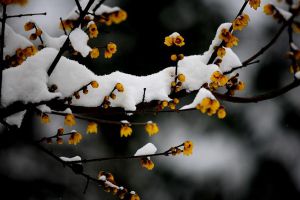
Wintersweet likes sunlight, tolerates shade, and dislikes waterlogging. Wintersweet flowers can bloom proudly in frost and snow, with yellow flowers like wax and a strong fragrance, making it a major ornamental flowering tree for winter. Wintersweet is cold-hardy and can overwinter safely when temperatures do not drop below-15°C. It can be grown outdoors in areas south of Beijing. If temperatures during the flowering period reach-10°C, the flowers suffer cold damage.
Wintersweet usually grows in deep, fertile, loose, well-drained, slightly acidic sandy loam soil, and grows poorly on saline-alkaline soil.
Wintersweet has strong drought tolerance and fears waterlogging, so when caring for it at home, do not water too frequently. The tree has strong growth vigor and vigorous branching, and tends to produce suckers at the root crown. It tolerates pruning and is easy to shape. It flowers before leafing out, with the flowering period from11month~the following year3month,7~8month.
The symbolic meaning of wintersweet
A loving heart, a noble soul. Loyal, independent, resolute, faithful, strong, steadfast, pure. Noble character and high integrity, proud and unyielding, a clear heart, noble spirit, independent and innovative.