Lipstick plant: detailed guide to growing methods and things to note
The lipstick plant is an evergreen climbing plant in the family Gesneriaceae, genus Aeschynanthus. Although its name contains the word "chlorophytum" (spider plant), it is not the same kind of plant as the traditional spider plant. It gets its name because its flowers are bright red with tubular corollas that extend from dark calyxes like a lipstick being twisted out, and it has become a popular trailing flowering plant in recent years.
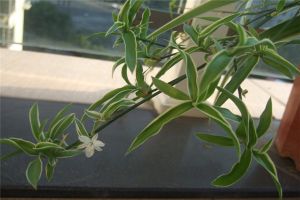
Its branches are slender and soft, hanging down naturally, and its leaves are opposite, thick, glossy green, and evergreen all year round, so it looks attractive even when not in bloom. The flowering period is mostly in summer and autumn, and with proper care it may also bloom sporadically at other times. The flowers are orange-red or bright red, borne in pairs at the leaf axils near the tips of the branches, shaped like lipstick bullets, and very playful.
For care, the lipstick plant prefers a warm, humid, semi-shaded environment and is suitable for a windowsill or balcony with bright indirect light, avoiding direct scorching sun. The soil should be loose, airy, and well drained; water according to the principle of watering when dry and letting it dry out between waterings, and never allow water to accumulate in the pot, as this can cause root rot. During the growing season, apply light fertilizer frequently, and after flowering, prune leggy branches appropriately to encourage branching and repeat blooming. It is not cold tolerant in winter, so keep it warm and reduce watering.
Propagation is mainly by cuttings; cut healthy stems and insert them into a slightly moist medium, keeping it warm and humid, and they root and survive fairly easily. In daily care, if the leaves turn yellow or become soft, it is usually related to overly strong light or improper watering. Once root rot occurs, remove the plant from the pot in time, prune the rotten roots, and replace the soil with fresh mix. Hang it high indoors, with its branches and leaves trailing down and dotted with red flowers, to add a touch of lively tropical flavor to the home.
Related reading