How to Grow Carnations: Light, Watering and Fertilizing All Matter
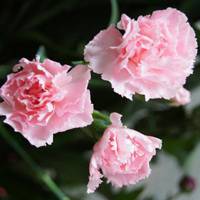
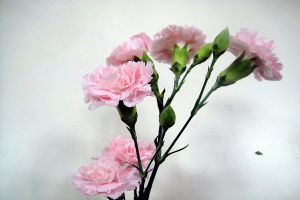
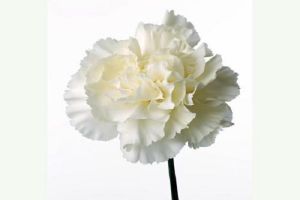
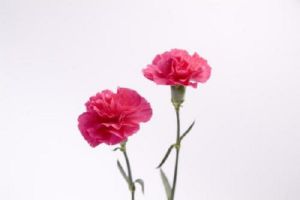
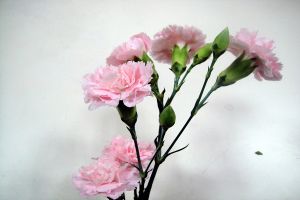
Carnation, also known as clove pink, is a perennial herbaceous plant of the genus Dianthus in the family Caryophyllaceae. Its flowers are layered and come in rich colors, with a light fragrance, and it is often used for cut flowers, bouquets and potted display. It likes a cool, dry, sunny environment and cannot tolerate high temperatures and high humidity, so understanding its habits is the foundation for growing carnations well.
As for light, carnations are light-loving plants and should be placed in a well-lit spot in daily care. Only with sufficient light will the plants avoid leggy growth and bloom more evenly. In summer, when the sun is strong and temperatures are high, shade and cool them appropriately; in winter, pay attention to keeping them warm and avoid leaving them in a low-temperature environment for long periods, to prevent frost damage to the leaves and flower buds.
Watering should follow the principle of not watering until dry, and watering thoroughly when you do. Standing water in the pot easily causes root rot, and in the rainy season drainage should also be prompt. During the peak growing season, apply light fertilizer frequently, mainly phosphorus and potassium fertilizer, which helps flower bud differentiation and more blooming; during the flowering period and in hot, stuffy weather, fertilization should be reduced.
For soil, choose a loose, breathable, well-drained sandy loam, and when potting, place a drainage layer at the bottom of the pot. In daily care, pay attention to pinching and topping, which encourages more branching and increases flower quantity; at the same time, promptly cut off spent flowers and yellow leaves and keep the environment ventilated. If yellowing leaves or root rot appear, it is mostly related to overwatering and poor ventilation; simply adjust the care method in time and the plant will gradually recover.