Caring for a clivia takes some know-how: light, water, fertilizer and temperature all need to be right
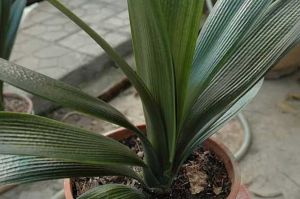
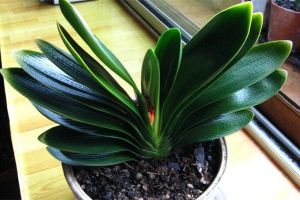
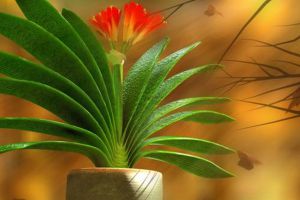
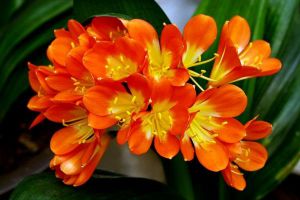
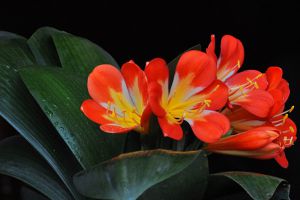
Clivia (Clivia miniata) is a perennial herbaceous plant in the amaryllis family, genus Clivia. Its leaves are broad, thick and upright, arranged in neat rows, and its orange-red flowers bloom in clusters, giving it high ornamental value; it is a common indoor potted flower. It is native to South Africa and prefers a warm, humid, semi-shaded growing environment; it fears both intense direct sunlight and low-temperature frost damage.
In day-to-day care, the light should be soft. In spring, autumn and winter it can be placed by a window with indirect light, while in summer it needs shading to keep the leaves from being scorched. Water according to the principle of watering when dry: water thoroughly only once the surface of the potting soil has dried out, and do not let water sit in the pot for long periods, otherwise the roots rot easily. The soil should be a loose, airy, well-draining leaf-mould or humus soil, mixed with a small amount of river sand or bark to help the roots breathe better.
As for temperature, clivia grows best at around 15 to 25 degrees Celsius. In winter, keep it warm, and in summer, when temperatures are high, increase ventilation to cool it down. During the growing season, apply a dilute, well-rotted liquid fertilizer at intervals, using light, frequent feedings; before the flowering period, supplement with phosphorus and potassium fertilizer to help bud formation and blooming.
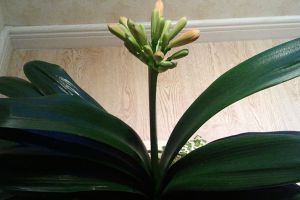
Common problems in care are also numerous. For example, yellowing leaves, curled edges, wrinkling or uneven leaf arrangement are mostly related to uneven light, improper watering or a lack of fertilizer. You can rotate the pot regularly so the leaves receive light evenly. If the flower scape gets stuck (short scape) or the plant does not bloom, it is often caused by insufficient temperature difference, inadequate nutrients or compacted potting soil; increasing the day-night temperature difference and replenishing nutrients in time will help the flower scape emerge more smoothly.
Related reading