Snapdragon blooms mostly in spring and summer, and with proper care the flowering lasts longer
Snapdragon (Antirrhinum majus) is a perennial herbaceous plant, but in production it is often grown as an annual or biennial. It gets its name because the flower resembles a little goldfish with its mouth puffed out, and it is also called dragon's-head flower or dragon's-mouth flower. Its natural flowering period is mostly concentrated from spring to early summer. Plants sown in autumn generally open one after another in late spring and early summer of the following year, while those sown in spring may bloom between summer and autumn. The flowers open in clusters along the flower stem from the bottom upward, and the flower colors include red, pink, yellow, white, purple and others, making them very varied.
The length of the flowering period is closely related to temperature and light. Snapdragon likes cool conditions and ample sunlight and is a long-day flower; when light is insufficient, it blooms less and the flower colors are paler, while too high a temperature makes the flower stems weak and noticeably shortens the flowering period, so in hot regions it is often sown in autumn to be enjoyed in spring. By adjusting the sowing time and using greenhouse cultivation, the flowering period can be appropriately advanced or delayed, so that flowers can be enjoyed in different seasons.
If you want it to bloom for a long time, there are several points to grasp in care. Before bud formation and flowering, phosphorus and potassium fertilizer can be added to promote flower bud differentiation; usually keep the soil slightly moist but not waterlogged, and avoid water shortage and strong sun exposure during the flowering period. After flowering, promptly cut off the spent flowers and the entire spent flower spike to reduce nutrient consumption, and under suitable conditions side branches can sprout and continue to bloom.
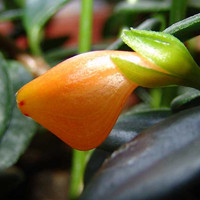
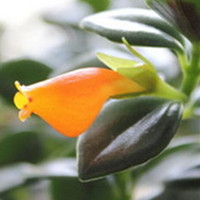
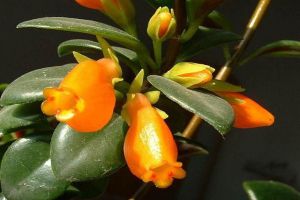
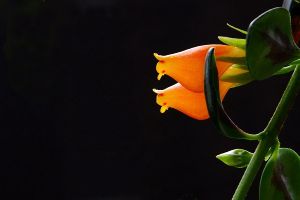
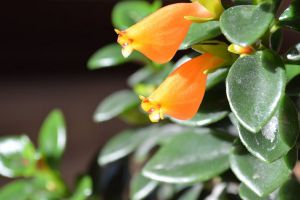
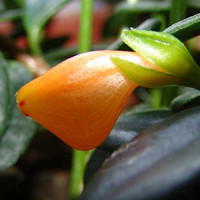
Snapdragon has upright flower stalks and many flower colors; it is not only a common material for flower beds and flower borders, but also a popular cut flower, and after cutting it can be kept in a vase for a relatively long ornamental period. It should be noted that snapdragon and the similarly named goldfish plant are not the same plant; the latter is an evergreen potted plant in the Gesneriaceae family, mostly cared for indoors, and its flowering period and habits are quite different, so care should be taken to distinguish them when consulting materials or making purchases.
Related Reading