How to deal with root rot in goldfish begonia? Introduction to the correct rescue methods
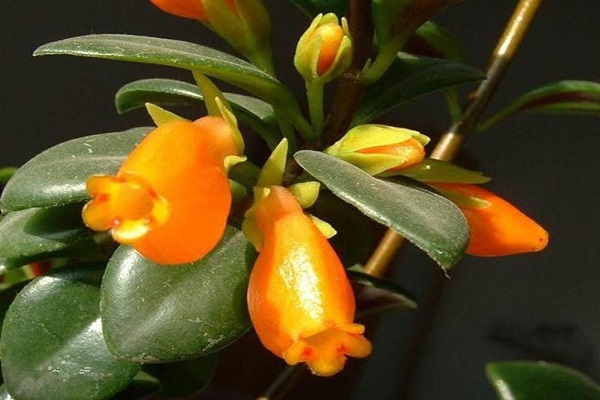
1. Causes of root rot
If it only has a mild case of root rot, the cause is mostly excessive watering. Once the soil is too wet and water accumulates in the pot, even a begonia growing very well will gradually have its roots rot. Another cause is placing the goldfish begonia in a spot severely lacking in light, so the water added each day cannot be absorbed or evaporated in time, which can also lead to root rot.
2. Treatment methods
After discovering the root rot, the first thing is to reduce the watering frequency and not water repeatedly; watering once each in the morning and evening is enough. Once the condition improves, switch to watering once every one or two days. This not only ensures the water supply but also keeps the soil from becoming too wet, and after some time the rotted roots will gradually improve. Next, it needs to be moved outdoors to receive more light. Winter sunlight is relatively mild and will not cause sunburn or yellow leaves. Once the plant receives sufficient sunlight, the roots will naturally improve.
If a large portion of the roots has rotted and reducing watering and increasing light cannot save it, then it is time to consider using a nutrient solution. The amount of nutrient solution is not better the more there is; recovering from root rot requires patience, and you must not rush. Note that when spraying the nutrient solution, do not spray it directly into the soil or onto the roots. Direct contact with the roots is very likely to cause root burn, so try to spray it on the leaves so it can be absorbed better.
When the root rot is relatively serious, the rotted part must be cut off directly. Before cutting, the knife must be sterilized so that bacteria do not come into contact with the already fragile roots. The cut-off roots can simply be discarded. Apply some rooting agent to the cut surface to ensure it can quickly take root and recover.
Although the goldfish begonia likes a humid growing environment, it dislikes waterlogging. If water accumulation is found in the potting soil, it should be dealt with promptly, and the soil should be replaced when necessary to avoid its being soaked in water and developing root rot. If the root rot is very serious, it cannot be saved, so measures should be taken in advance to prevent root rot from happening.