How to Grow Globeflower and Things to Note
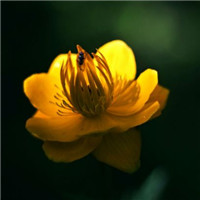
Globeflower (Trollius chinensis) is a perennial herb in the genus Trollius of the buttercup family (Ranunculaceae), also known as Jinmeicao and Jingeda, and is mainly found in mountain meadows and forest margins in North China, Northeast China and other areas. Its flowers are mostly golden yellow, shaped like small cups or tiny trumpets, and usually open in summer; when planted in masses, they form a sheet of gold with a very striking ornamental effect.
For care, globeflower prefers a cool, moist climate and is fairly cold-hardy, but it dislikes high heat and scorching summer weather, and it grows best in a semi-shaded environment. When planting, choose loose, fertile, well-drained soil, and keep the soil moist but not waterlogged during the growing season to avoid root rot. During the high-temperature period in summer, pay attention to shading and ventilation, promptly cut off spent flowers after blooming, and provide a light protective cover before winter to help the plants overwinter safely.
Globeflower has fairly wide uses in landscaping: it can be used in flower borders and flower beds, planted beside water or at forest edges, and it is also suitable for container growing on patios or balconies. In addition, its flowers can be harvested and dried to make globeflower tea, which is often used as a substitute tea drink in folk practice, giving it both ornamental and practical value.
One thing to note is that globeflower is easily confused with nasturtium. Nasturtium is a trailing herb in the nasturtium family, with shield-shaped leaves somewhat like lotus leaves and stems that can climb; globeflower, by contrast, has palmately divided leaves and an upright habit, so the two are not the same plant. When buying seeds or seedlings, it is advisable to first confirm the botanical name and then choose a suitable cultivation method according to the local climate, so that you can grow globeflower in good condition.