How to Water Echeveria? Detailed Guide to the Correct Method
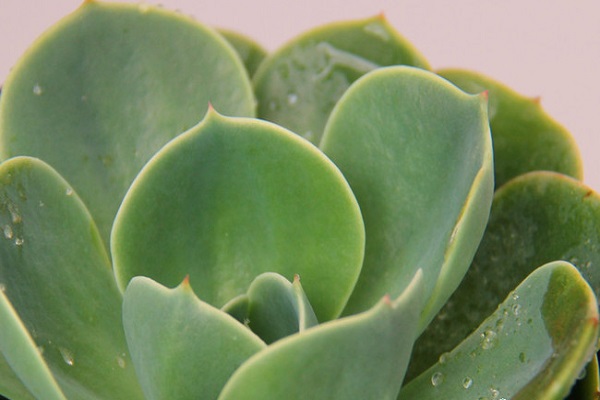
1. This plant's water requirements
Overall, it prefers a relatively dry environment. Of course, that does not mean it needs no water at all - that would be unrealistic. At certain times it does have some need for water, mainly during its vigorous growth period. One thing to pay special attention to is that it is especially afraid of waterlogging, so when watering, never give too much.
2. Specific methods
(1) In early spring, because it is in a semi-dormant state at this time, watering should be strictly controlled, keeping the potting soil in a dry state. As the temperature gradually rises, the plant slowly begins to grow, and at this point you can water a little more, though it still should not be too wet.
(2) In summer, because the temperature is relatively high, its growth rate slows down, so be careful to control water, otherwise high humidity combined with high temperature can easily cause its roots to rot.
(3) In early autumn, you can resume normal watering, but by late autumn, when the temperature turns cooler, watering must be gradually reduced.
(4) In winter, the temperature is even lower, and at this time watering should likewise be strictly controlled. However, if you place it indoors in a relatively warm spot, around 10°C, then you can water it appropriately, though not too much.
3. Points to note
(1) When the plant has just been potted, do not give it water for the time being. Place it in a shady spot, and after two to three days you can water it lightly, though overall the potting soil should still be on the dry side.
(2) When watering it, you need to follow one principle: wait until the soil has dried out completely before continuing to give water, and no matter when, never give an excessive amount.