A Detailed Guide to Growing Pepperwood (Zanthoxylum beecheyanum) and Its Daily Care Essentials
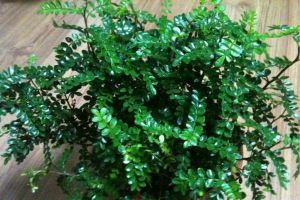
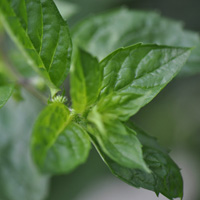
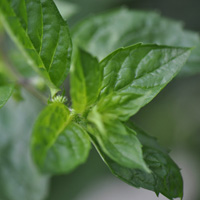
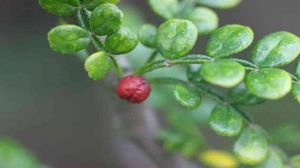
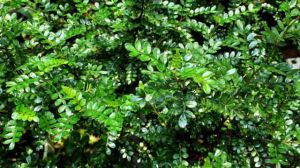
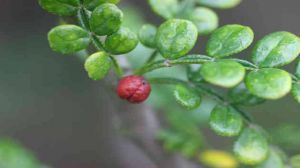
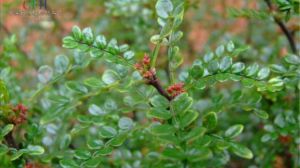
Pepperwood (Zanthoxylum beecheyanum) is an evergreen small shrub in the genus Zanthoxylum of the family Rutaceae. It has a compact form and fine, dense branches and leaves. Its pinnately compound leaves are glossy and shiny, and when the leaves are rubbed they give off a fresh fragrance similar to pepper, which is how it got its name. It produces tiny yellow-green flowers and has strong overall ornamental value. It is often used as a hedge, a courtyard accent, or made into a bonsai, and is a very popular foliage plant.
When caring for pepperwood, the environment is key. It likes a warm, humid, sunny environment and is also slightly shade-tolerant. It is suitable for planting in loose, fertile, well-drained sandy soil. Watering should follow the principle of watering when dry and letting it dry out between waterings, avoiding long-term waterlogging in the pot, which can easily cause root rot. During the growing season, a thin liquid fertilizer can be applied appropriately. In winter, pay attention to keeping it warm, reduce watering, and keeping the potting soil on the dry side is more conducive to overwintering.
Pepperwood is commonly propagated by cuttings. Select robust growing branches as cuttings, insert them into a moist, loose medium, and keep them in a semi-shaded, ventilated place, maintaining a certain humidity; after a period of time they will take root and survive. It can also be divided by separating offsets when repotting. The operation is simple and the survival rate is also quite good.
In daily care, yellowing and dropping leaves on pepperwood is a relatively common problem, mostly related to overwatering, insufficient light, poor ventilation, or sudden temperature changes. After discovering yellow leaves, first check the moisture of the potting soil, then move the plant to a location with sufficient light and air circulation, and promptly prune dead branches and yellow leaves; generally it can gradually recover. In addition, regular pruning and shaping can control the plant's form and make the branches and leaves more lush and attractive.
Related Reading