The benefits and contraindications of pepperwood (Zanthoxylum beecheyanum): know before you use it, for greater peace of mind
1. Medicinal uses
Its root is highly valuable as medicine and can treat rheumatic bone pain; if someone has been injured by a blow, using it can also invigorate the blood and open the meridians. Of course, if someone has severe accumulated phlegm, they can take it too, and it also acts on nausea; if some food is toxic, it can neutralize that as well.
2. Culinary uses
It can be eaten; the compounds it contains can break down grease and also remove fishiness, and it acts on digestion too. In addition, its fruit can be steeped in hot water and drunk, which can stimulate the appetite and treat diarrhea. Pepper also has a preservative effect; if fish or shrimp contain toxins, we can use it to neutralize them, and its aroma can boost people's appetite.
3. Ornamental uses
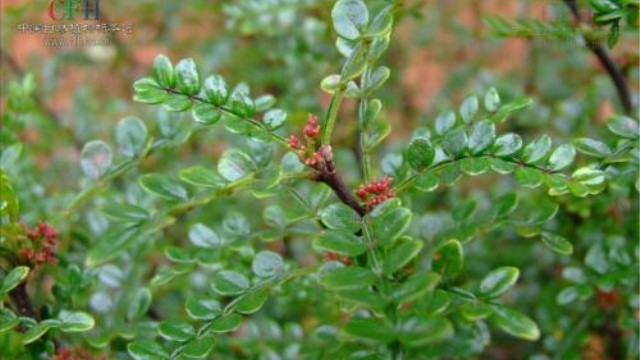
Its leaves are especially attractive and very pleasing to look at, and they are good for the eyes. In addition, it gives off a fresh fragrance that helps regulate people's stress and emotions. Furthermore, it can help raise humidity, so placing it in a study or similar spot is a good choice too.
4. Contraindications
If someone has yin deficiency and internal heat, it is best not to eat it. And ordinary people should not eat too much of it either; it not only harms the lungs, but also tends to bring on wisdom teeth, with toothache and blurred vision. Pregnant women and people with throat or tooth ailments should not eat it either. If symptoms appear after eating it, mung beans can be eaten to neutralize them.