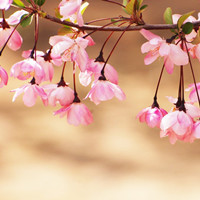
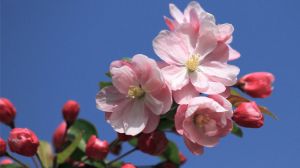
Is the crabapple flower toxic? It is non-toxic and can be kept safely at home
The crabapple flower is a small deciduous tree of the genus Malus in the rose family (Rosaceae). It is a traditional ornamental flowering tree in China, often used for courtyard landscaping and spring flower viewing. As to whether it is toxic, the answer is clear: the crabapple flower is not toxic. Its flowers, leaves and branches contain no harmful toxins, and normal viewing and care will not harm the human body.
Precisely because it is non-toxic, the crabapple flower is suitable for planting in courtyards, on balconies, or placing in living rooms and other household settings, and families with elderly people and children can grow it with confidence. When it blooms in spring, its flower colors are bright and its tree form is graceful; it beautifies the environment and does not release harmful gases, so it is a flowering tree that can be handled safely.
However, there are still a few points worth noting during care. People with a pollen allergy may experience mild discomfort such as sneezing or itchy skin when viewing the flowers up close during the blooming period, so it is advisable to keep a certain distance or wear a mask. After pruning branches, you should wash your hands promptly to avoid the sap staying on the skin for a long time.
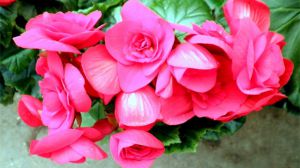
In addition, the crabapple flower is easily confused with some similarly named plants. For example, the sap of some begonia (Qiuhaitang) varieties may cause slight irritation when it comes into contact with the skin, so the specific variety should be confirmed before purchase or planting. Although the fruit of the crabapple, the crabapple fruit, is generally edible, when it is grown as an ornamental flowering tree, it is still mainly for viewing in daily life, and it is not recommended to pick and eat it at will.
Related Reading