Detailed Guide to Post-Bloom Handling Methods and Care Techniques for Rieger Begonia
1. Changing the soil
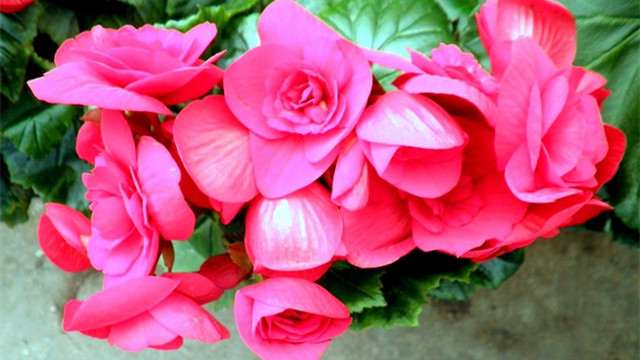
When the Rieger begonia finishes blooming, most people do not know how to handle it, but in fact, if handled properly, it can be brought back to a pot full of flowers again. First, when the temperature is suitable, repot it with fresh soil, removing two-thirds of the old soil; the method is to use a large pot instead of a small one when changing the soil. The soil should be mainly leaf mold, with an appropriate addition of fertilizer fermented from rice bran and soybean residue to ensure the soil is loose and soft. Because many cities have no farm manure, using this kind of fertilizer as a substitute is best, as it is both clean and odorless. The so-called soybean residue is simply leftover soy milk; just add some rice bran and ferment it together. Its effect is not the least bit inferior to pig manure.
2. Pruning
After flowering, cut off the old branches, weak branches and diseased branches all together, leaving only two bud nodes, to encourage it to grow more side branches. At the same time, when pruning, try to ensure the branches grow outward; if they grow inward, it will affect air circulation and easily lead to rotting leaves. In addition, among the cut branches, if any have budding tips, do not throw them away; you can insert them into water, but make sure the base is still intact. After half a month they will take root, and after two months they will be covered in blooms, so one pot becomes several pots.
3. Later care
After pruning the branches and changing the soil, you need to water it, then place it in a spot where sunlight can reach it. After a period of time it will grow flower buds; at this point you need to apply a compound fertilizer once, once a month, and it will not take long before it is bursting with blooms all over the pot. Then after the flowers fade, just treat it again in the same way. This shows that it can bloom multiple times, so the fertilizer must be kept sufficient.