How to Grow Anthurium: Master the Method for Green Leaves and Vibrant Blooms
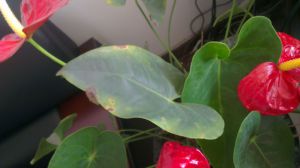
Anthurium, also known as flamingo flower or laceleaf, is a perennial evergreen herbaceous plant in the genus Anthurium of the family Araceae. It gets its name because its spathe is bright red like a flame. It is beautiful in both flower and foliage, has a long blooming period, can be grown in pots indoors, and is also often used for holiday displays, making it a very popular ornamental flower.
To care for anthurium, the first thing is to give it a suitable environment. It likes a warm, humid, semi-shaded environment and fears direct strong sunlight, so placing it in a spot with bright indirect light is usually enough. In summer, pay attention to shading, otherwise the leaves can easily be scorched. It is not cold-tolerant, so in winter it should be moved indoors to keep warm, avoiding direct cold drafts and damage from low temperatures.
As for watering, anthurium likes moisture but hates waterlogging. It is best to keep the potting soil moist without becoming soggy, and water thoroughly after the surface soil appears dry. It has relatively high requirements for air humidity, so when the weather is dry, you can spray water on the leaves and around the plant to increase humidity. During the growing season, apply thin fertilizer frequently, using dilute liquid fertilizer. The concentration should not be too high, so as to avoid burning the roots. The growing medium should be loose, breathable, and well-draining; it can be prepared with peat soil, leaf mold, and media such as perlite.
In daily care, if the leaves are found to be soft or yellowing, it is often related to overwatering, improper light, or dry air, and adjustments can be made accordingly. Also note that anthurium belongs to the Araceae family, and its sap is irritating, so it is best to wear gloves when pruning or repotting, and avoid accidental ingestion by children and pets at home. As long as the environment is suitable and water and fertilizer are appropriate, anthurium will keep producing buds, and its ornamental period is quite long.
Related Reading