What Does the Lotus Symbolize? A Comprehensive Interpretation of the Lotus's Cultural Meaning
The lotus is an aquatic flower that blooms in summer and has been praised since ancient times as the gentleman among flowers; its most central symbolic meaning is purity and elegance. It takes root in the mud yet can produce clean, upright blossoms, so it is often used to describe a noble character that remains unaffected by its surroundings and stays true to itself.
In traditional Chinese culture, the lotus also symbolizes integrity and uprightness, and literati through the ages often expressed their aspirations through the lotus, leaving behind many poems and paintings in its praise. The twin lotus is a relatively rare double-flower phenomenon in lotuses and is often seen as a symbol of a happy love and a blessed marriage; the lotus seed pod has many seeds, carrying the fine meaning of a house full of children and abundant descendants.
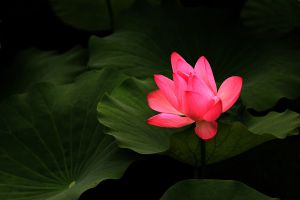
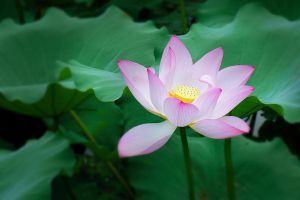
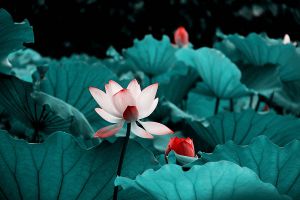
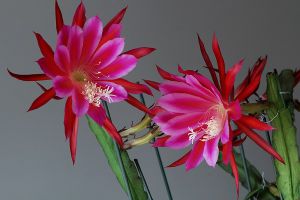
The lotus holds an important place in Buddhism and is regarded as a symbol of purity, holiness and auspiciousness; lotus thrones and lotus patterns are commonly seen on Buddha statues and in temples. The lotus is also called lianhua or water hibiscus, and its flower colors include pink, white and red, among others; it is a much-loved aquatic ornamental plant.
Besides its symbolic meaning, the lotus also has outstanding practical value: lotus seeds and lotus rhizomes are both edible, and lotus leaves are often used in daily cooking. When growing lotuses at home, ensuring sufficient light, maintaining a stable water level and providing good care during the flowering period can help the plants grow better and bloom longer.