The Meaning and Symbolism of the Lotus: A Detailed Guide to Its Flower Language and Cultural Significance
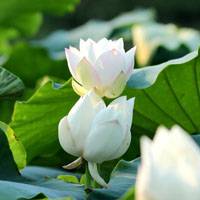
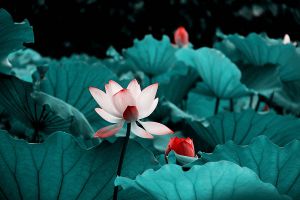
The lotus is a perennial aquatic herbaceous plant and has been regarded since ancient times as a symbol of purity and noble character. It emerges from the mud yet remains unstained, and rises from clear water without being seductive; people often use the lotus as a metaphor for a gentleman of upright character who keeps himself clean, which is why the lotus is also known as the gentleman among flowers.
In traditional culture, the lotus also symbolizes good fortune, beauty and harmony. The word for lotus (he) is a homophone for harmony (he), and in folk tradition the twin lotus is often used to symbolize a loving couple and a happy marriage, while the many seeds of the lotus pod carry the wish for many children and abundant blessings. In Buddhist culture, the lotus is a symbol of holiness and enlightenment, often appearing in Buddha statues and temple decorations, representing purity and transcendence.
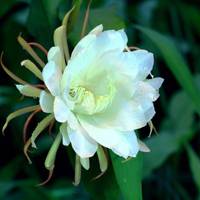
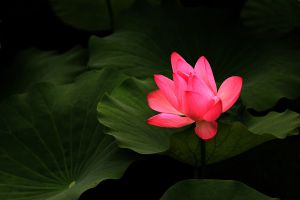
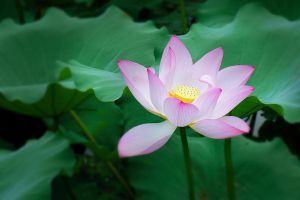
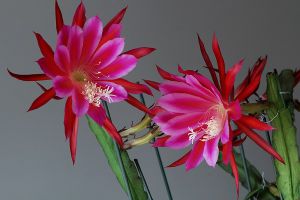
From a botanical perspective, the lotus is an aquatic plant with a great many varieties, divided into single-petaled and double-petaled forms, with flower colors commonly pink, white, red and so on. It should be noted that although the night-blooming cactus (lingjian hehua) has the word lotus in its name, it is actually a plant of the cactus family and has no kinship with the true lotus.
The lotus has high ornamental value, and its rhizomes (lotus root) and seeds (lotus seeds) can be eaten, while the leaves and the plumule of the seed are also often used to make tea and in cooking. When growing lotus at home, if you want it to bloom well, you need to keep the light sufficient and the water clean, and promptly cut off spent flowers after blooming and replenish nutrients, so the flowering period can be effectively extended and the plant will bloom smoothly year after year.
Related Reading