The significance of the lotus is reflected in its cultural symbolism and practical value
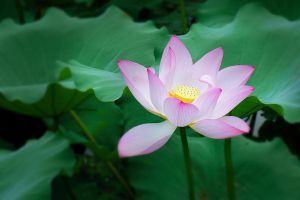
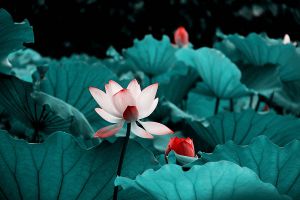
The lotus is a perennial aquatic herbaceous plant and one of China's traditional famous flowers. It takes root in mud, yet its flowers stand clean and upright, and since ancient times it has been regarded as a symbol of noble character. When people mention the significance of the lotus, the first thing that often comes to mind is the saying "emerging unstained from the mud."
In traditional culture, the lotus is seen as the embodiment of the gentleman, representing integrity, honesty and the moral character of refusing to go along with the vulgar world. In the Song Dynasty essay "On the Love of the Lotus," the lotus is described as "emerging unstained from the mud, washed in clear ripples without being coquettish," and this famous line has been passed down to this day, becoming the lotus's most classic cultural footnote. Writers of past dynasties often encouraged themselves with the lotus, using it to express their longing for noble sentiment.
In Buddhist culture, the lotus is likewise an important image, symbolizing purity and freedom from defilement and transcendent enlightenment, and lotus elements are commonly seen in temple statues and decorations. Among the people, the lotus also carries auspicious meanings such as harmony and beauty and abundance year after year, and the twin lotus is regarded as a symbol of beautiful love, frequently appearing in paintings, embroidery and blessings.
Besides its spiritual significance, the lotus also has outstanding ornamental and practical value. It can be used in courtyard water features and the arrangement of park lakes, while lotus seeds and lotus root are common ingredients, and lotus leaves can also be used in cooking. Growing lotus at home requires ensuring sufficient light and clean water; with proper care during the flowering period, the blooming time can also be effectively extended, making the ornamental effect last longer.