An Analysis of the Symbolism and Cultural Meaning of the Lotus
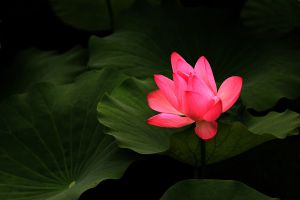
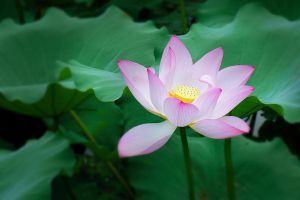
Since ancient times, the lotus has been one of the flowers with the richest symbolic meaning in traditional Chinese culture. Its trait of emerging unstained from the mud has made it a symbol of noble and incorruptible character. Writers of past dynasties often used the lotus as a metaphor for themselves, expressing an attitude of refusing to go along with worldly corruption and keeping oneself pure.
In Buddhist culture, the lotus is regarded as a sacred flower, representing a state of purity and freedom from defilement. The lotus pedestals beneath Buddha statues and the lotus patterns in temples all reflect this meaning. Therefore, the lotus is also often used to symbolize purity of mind and spiritual elevation, carrying wishes for good fortune and peace.
In folk culture, the symbolism of the lotus is equally rich and varied. The form of a twin lotus blooming with two flowers on a single stem is often seen as a symbol of faithful love and a happy marriage; the lotus (lian) shares a pronunciation with "lian" (to cherish) and "lian" (continuous), carrying beautiful hopes such as a perfect match made in heaven and abundance year after year.
Beyond its spiritual symbolism, the lotus also has practical value: lotus roots and lotus seeds can be used as food ingredients, while lotus leaves can be used in medicine or in daily life, combining ornamental appeal with usefulness. It is precisely this combination of natural beauty and cultural connotation that makes the lotus an embodiment of fine character, deeply loved by people.
Related Reading