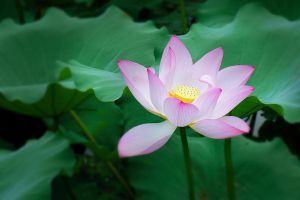
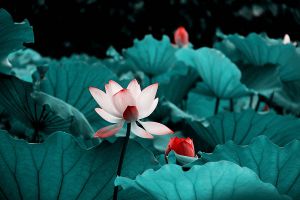
The lotus symbolizes purity and beauty and is praised as the gentleman's flower with auspicious meaning.
Since ancient times, the lotus has been praised as the gentleman among flowers, and its most central symbolic meaning is purity and innocence. It grows from mud yet is not stained by filth, and when it blooms it stands gracefully above the water, so it is often used as a metaphor for people of upright character who do not drift with the crowd. The famous line from ancient poetry and prose about emerging from mud unsoiled is the classic expression of this symbol.
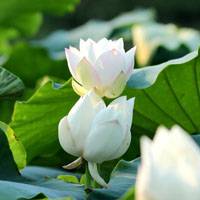
In folk culture, the lotus also carries the meaning of good fortune and harmony. He (lotus) is homophonous with he (harmony), and lian (lotus) is homophonous with lian (continuous), so traditional New Year pictures and decorative patterns on objects often use the lotus to express wishes for harmony and happiness and abundance year after year. The twin lotus, with two flowers on one stem, has always been regarded as an auspicious sign of good things coming in pairs, and often appears in wedding themes.
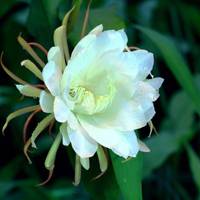
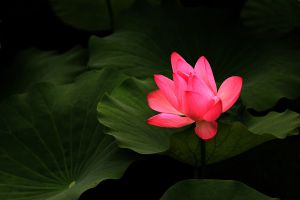
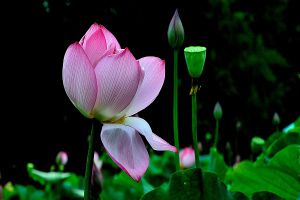
In religious art, the lotus is likewise an important image. Buddhism uses the lotus to symbolize a pure and unstained nature, and lotus pedestals and lotus patterns are very common in Buddha statues and murals, giving the lotus a somewhat sacred and serene meaning. The meanings of different flower colors also differ slightly: white lotus leans toward purity and elegance, while pink lotus and red lotus more often represent passion and beauty.
Today these symbolic meanings are still reflected in daily life, and lotus in garden water features and courtyard tub cultivation is often used to express one's state of mind. To make it bloom year after year, it needs sufficient light, clean water quality, appropriate nutrient supplementation during the flowering period, and timely removal of spent flowers. Cultivating a pond of lotus well means preserving this scene of purity and beauty.