Phalaenopsis orchids bloom mainly in winter and spring; with proper care, the flowers last even longer
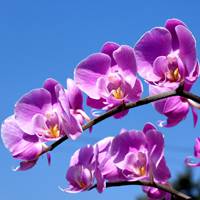
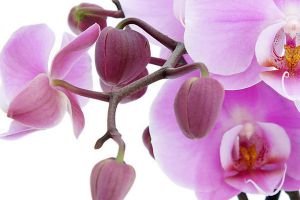
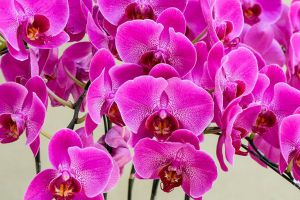
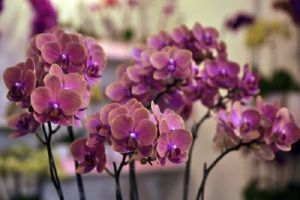
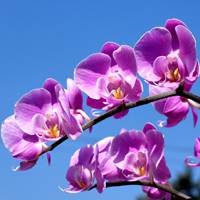
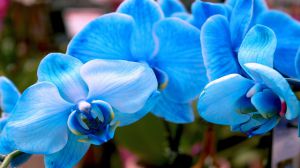
Phalaenopsis is a perennial epiphytic herb in the genus Phalaenopsis of the orchid family (Orchidaceae), named for its flowers that resemble dancing butterflies. Its natural blooming period is mostly concentrated in winter and spring; after temperatures turn cool in late autumn it begins to develop flower spikes, and it often enters full bloom around the Spring Festival. In home care, a single blooming cycle usually lasts one to two months, and with good care it can bloom even longer.
Temperature and light are the key factors determining the blooming period. Phalaenopsis needs a certain day-night temperature difference to develop flower spikes, and cooler nighttime temperatures make it easier to induce flower buds; if it stays for a long time in a high-temperature environment with little temperature difference, the plant often only grows leaves without blooming. Once the blooming period begins, avoid direct strong light and sudden rises and falls in temperature, otherwise the buds may easily turn yellow and drop prematurely.
During blooming, move the pot as little as possible, and do not rush to repot, so as not to damage the roots and affect flowering. Follow the principle of watering when dry and letting it dry out between waterings, keeping the growing medium slightly moist; be careful not to pour water into the leaf center or the flowers, to avoid rot. Fertilize lightly and sparingly; you can supplement some phosphorus and potassium fertilizer before and after the flower spikes emerge, and stop fertilizing once all the flowers have opened.
After the flowers fade, promptly cut off the spent flowers from the base of the flower spike to reduce nutrient consumption and let the plant rest and recover. Then place it in a warm, bright spot with indirect scattered light, and appropriately supplement with light fertilizer to nourish the roots and leaves. When the day-night temperature difference gradually widens in autumn, a well-cared-for Phalaenopsis can be expected to send up flower spikes again and continue blooming the following year.
Related Reading