A detailed guide to osmanthus classification: the four cultivar groups each have their own characteristics
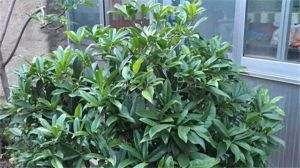
Osmanthus (Osmanthus fragrans) is an evergreen tree or small shrub in the genus Osmanthus of the family Oleaceae, and it is also one of China's traditional famous flowers. The so-called classification of osmanthus mainly divides cultivated osmanthus into different cultivar groups based on characteristics such as flower color, flowering period and fragrance, making it easier to identify and use in cultivation.
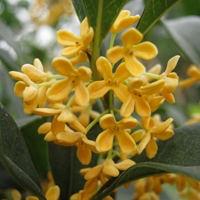
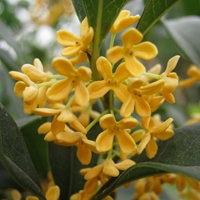
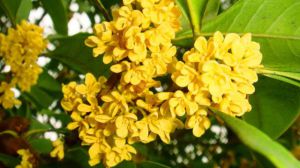
The common way of dividing them is into four cultivar groups, namely Jingu (golden osmanthus), Yingu (silver osmanthus), Dangu (orange osmanthus) and Sijigui (four-season osmanthus). Jingu has golden-yellow flowers and a rich fragrance, and is the representative of autumn osmanthus; Yingu has flowers that tend toward white or pale yellow and a delicate fragrance; Dangu has orange-red flowers with outstanding ornamental value, but its fragrance is relatively faint.
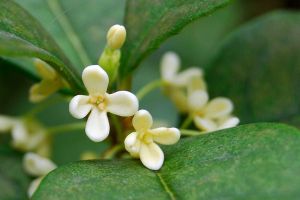
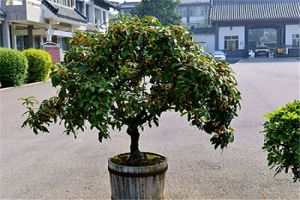
Sijigui is clearly different from the previous three cultivar groups: it can bloom several times a year, has fewer flowers, its flowers are pale yellow to nearly white, and its scent is also relatively light. Because its flowering period is scattered, it is better suited to courtyard accents or container growing, and its ornamental period is longer than that of varieties that bloom only once a season.
Understanding osmanthus classification is helpful for both planting and purchasing. When autumn-flowering varieties bloom together en masse, the fragrance is intense, making them suitable for creating seasonal landscapes; Sijigui has a long flowering period but a weak fragrance, so it can be chosen according to need. In daily care, arranging light, water and fertilizer according to the flowering habits of the variety will help the plant grow better and can also reduce problems such as dry, yellowing leaves.
Related reading