What growing environment suits osmanthus? It grows better when these conditions are met
Other names for osmanthus
Osmanthus, rock osmanthus, jiulixiang, golden chestnut
Morphological characteristics of osmanthus
Osmanthus is an evergreen tree or shrub, with grayish-brown bark and yellow-brown branchlets that are hairless. The leaves of osmanthus are elliptical or elliptic-lanceolate, with acuminate tips. The petiole is 0.8-1.2 cm long and can reach up to 15 cm. Cymes are clustered in the leaf axils, with many flowers in each axil. The flowers are extremely fragrant. The corolla is white, pale yellow, yellow or orange-red, 3 to 4 mm long, and the corolla tube is only 0.5-1 mm long. The fruit is oblique, elliptical, 1-1.5 cm long, and purplish-black. The flowering period is September to early October, and the fruiting period is March of the following year.
Ecological habits of osmanthus
Osmanthus likes a warm and humid environment and has strong stress resistance; it can tolerate both high temperatures and relatively cold conditions. The average temperature in growing areas is 14-28 degrees. Humidity is extremely important for the growth and development of osmanthus, requiring an annual average humidity of 75%-85%, and especially during the young stage and flowering period it needs more water. Drought can affect flowering. It generally requires 6-8 hours of light per day.
Osmanthus prefers sunlight; under full light its branches and leaves grow luxuriantly and it blooms abundantly, while in shady places its branches and leaves are sparse and its flowers are few. Osmanthus likes moisture but dislikes waterlogging, and also has a certain drought tolerance. It is not strict about soil requirements and can generally grow in any soil except alkaline soil or low-lying, overly sticky, poorly drained soil.
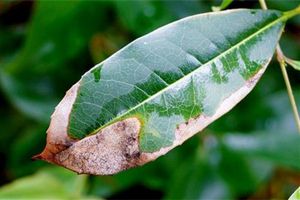
Osmanthus is suitable for planting in places with good ventilation and light. It likes a clean, well-ventilated environment and cannot tolerate smoke and dust damage. It fears flooding and waterlogging; if harmed by waterlogging, the root system turns black and rots, the leaves first scorch at the tips, then the whole leaves turn yellow and fall off, ultimately causing the death of the whole plant. It is not very cold-hardy, but compared with other evergreen broadleaf tree species, it is still a relatively cold-hardy tree species.
The floral meaning of osmanthus
Chinese people regard osmanthus as symbolizing "loftiness", "beauty", "auspiciousness", "friendliness", "the loyal and upright" and "fragrant and unyielding", "immortal friend" and "immortal guest"; they associate osmanthus branches with "outstanding figures" and "official career"; Europe and America associate osmanthus branches with "glory" and "honor".