What Is Gesang Flower? Meet the Plateau Flower That Symbolizes Happiness
Gesang flower is a general term for a type of flower widely known in Tibetan culture. In Tibetan it is called Gesang Metok, and the word Gesang carries the meaning of happiness and good times, so it is regarded as a flower symbolizing happiness and good fortune. In plateau regions, people often call the wildflowers that bloom both tenaciously and beautifully Gesang flowers, expressing their longing for a better life.
As for exactly which plant the Gesang flower refers to, folk sayings are not consistent. Many people are used to calling the common Cosmos (Cosmos bipinnatus) Gesang flower, while others believe it is Potentilla fruticosa (shrubby cinquefoil) on the plateau or other wildflowers. Most of these plants are highly adaptable, cold- and drought-tolerant, and have tenacious vitality, able to grow and bloom normally on poor soil at high altitudes.
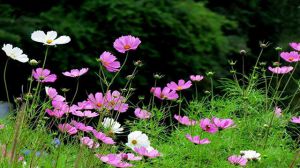
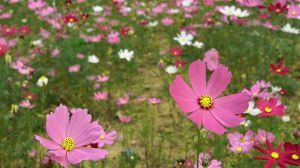
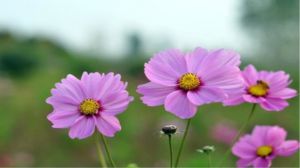
In appearance, the common Gesang flower type plants are mostly annual or perennial herbaceous plants, with slender stems, finely pinnately divided leaves, and flowers in colors such as pink, white, and purplish red. The petals are light and spreading, and when they bloom in masses they look like a colorful sea of flowers. It has low soil requirements and is simple to cultivate and manage, and is often used for flowerbed arrangements, road greening, and creating flower sea landscapes.
It is generally believed that Gesang flower is not toxic, so it is relatively reassuring for daily viewing and is also suitable for courtyard planting. Because it carries the beautiful meaning of happiness and good fortune, it also often appears in songs, poems, and travel photos, and is the representative of plateau charm in many people's minds. If you want to grow it yourself, you can first learn about sowing time and care points; with proper management it will bloom smoothly.