Is gesang flower poisonous? Read this and you will understand
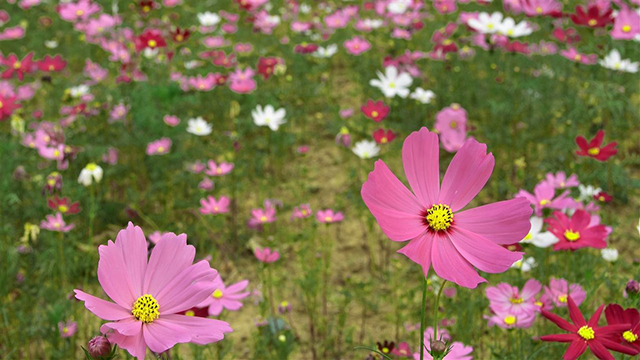
1. Contains severe toxicity
Its sap is poisonous, and the people on the plateau gave it the name wolf poison flower, hinting at its toxicity. Besides the sap being poisonous, its root is also poisonous. Its toxicity is proportional to the size of its root; if the root is very well developed, the toxicity is also very great. Besides the sap and root, its stem and leaves are also poisonous.
2. Do not eat it by mistake
It grows on the plateau, but yaks generally will not eat it, and if there are many of these flowers around the places where herders live, normal grazing cannot be carried out. Therefore, herders deeply hate this plant.
People cannot eat it either. If they eat a little bit, fainting and vomiting may occur, but if they eat a lot, it may cause shock, and in more serious cases, death.
3. Medicinal uses
Although it is poisonous, it can also be used as a pesticide and has a strong controlling effect on aphids and the like. In addition, it can also be made into medicine for external application. Its specific effects are clearing blood and resolving stasis, and its root also has the effects of expelling phlegm and relieving pain.
4. Affects the environment
It is not only poisonous to people and animals, but also "poisonous" to the environment. If its root system grows well, it will have a very strong water-absorbing capacity and will also adapt more easily to dry environments, but the plants around it will find it very hard to survive.
If there are a great many of these plants on the grassland, it indicates that this place has become desertified. So it merely has a nice-sounding reputation, but in fact its harm to grassland areas is extremely great. No wonder some people call it mute yellow flower and wolf poison.