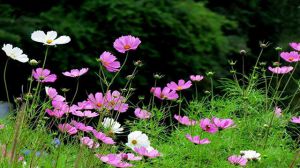
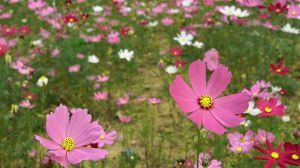
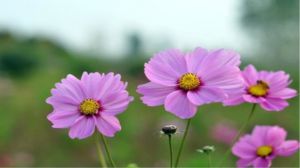
The flower language of Gesang flowers is happiness and strength, implying cherishing the people right in front of you.
Gesang flowers (often identified as Cosmos) are a widely popular flower on the high plateaus. In Tibetan, "Gesang" means happiness and good times, which is why it is also often called the happiness flower. It mostly grows on higher-altitude hillsides, fields and roadsides; its blooms are small and brightly colored, and it has very strong adaptability. In the hearts of the Tibetan people, the Gesang flower is a symbol of good fortune and happiness, carrying people's longing for a better life.
The flower language of the Gesang flower mainly covers happiness, strength and cherishing the people right in front of you. Because it can bloom in barren soil and in a cold, high-altitude environment, people often use it as a metaphor for those who remain optimistic and upward-looking even in adversity. Giving a Gesang flower to relatives and friends expresses a kind wish, hoping that they will live happily and have a resilient character.
Many of the flowers commonly called Gesang flowers are actually Cosmos (Cosmos bipinnatus); the two look similar and are often confused, but in plant classification they are not entirely the same. Gesang flowers are commonly pink, white and purplish red. At peak bloom they spread out in whole sheets, with strong ornamental value, making them suitable for flower beds, for creating seas of flowers, and also for accenting a courtyard.
Gesang flowers like a sunny, cool and dry environment, are cold-tolerant and tolerant of poor soil, and are fairly easy to care for; just choose well-drained soil and they will grow and bloom normally. One reminder: Gesang flowers are mainly grown for ornament, and are generally not recommended for eating or medicinal use. Once you understand their flower language and habits, planting a patch of Gesang flowers at home can also add a touch of high-plateau brightness to your life.