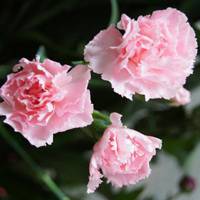
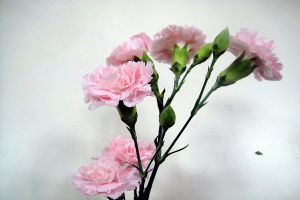
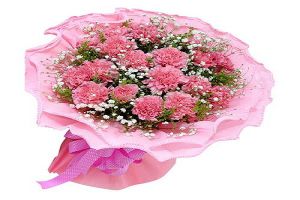
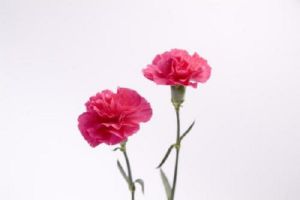
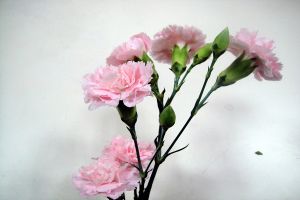
The flower language of pink carnations is gratitude and maternal love, making them suitable for giving to mothers
The pink carnation is a perennial herbaceous flowering plant of the genus Dianthus in the family Caryophyllaceae, with soft, layered blooms whose color ranges from light pink to deep pink. Its flower language centers on gratitude, maternal love and warm blessings, and it is often used to express appreciation toward mothers, elders and teachers. Compared with the passion of red carnations and the purity of white carnations, pink is gentler and more understated, symbolizing wishes for the recipient's health, beauty and lasting youth.
Folk legends related to maternal love hold that pink carnations are linked with a mother's tears and concern, and so this flower gradually became one of the representative flowers of Mother's Day. Every Mother's Day, many people use it in bouquets given to their mothers to express gratitude for their upbringing and to offer good wishes.
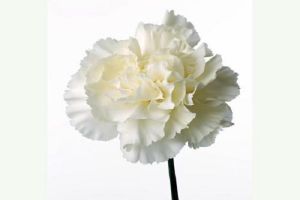
As for gifting occasions, pink carnations are suitable for mothers, female elders, teachers or close friends, expressing thanks and blessings. They can be made into a bouquet on their own, or combined with lilies, baby's breath and other flowers for richer layering. It is worth noting that carnations of different colors have different meanings; white carnations, for example, carry connotations of remembrance and mourning on certain occasions, so it is best to understand this clearly before giving flowers to avoid misunderstandings.
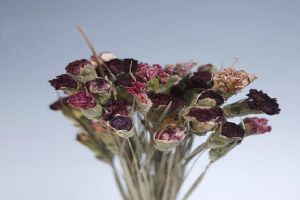
After receiving pink carnations, you can cut the stems at an angle, remove the lower leaves, and place them in clean water to keep them; changing the water every one or two days helps extend the vase life. If you want to preserve this sentiment for a long time, you can also make them into dried flowers. When growing carnations as potted plants at home, keep the light abundant and the ventilation good, and water only after the soil has dried out somewhat; the plant will then be in better condition.