How to Grow and Care for Chinese Hibiscus
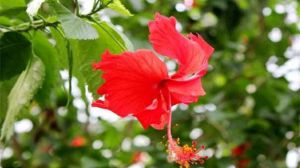
Chinese hibiscus, also known as rose of China and red hibiscus, is an evergreen shrub in the genus Hibiscus of the mallow family. Its flowers are large and striking, funnel-shaped, and come in many colors including red, pink and yellow. It has a long blooming period and, with proper care, will bloom in succession, making it a common ornamental flower for courtyard landscaping and balcony containers.
Chinese hibiscus is a strongly sun-loving plant, so the first thing in its care is to ensure plenty of light, ideally placing it on a sunny balcony or in a courtyard. Insufficient light leads to leggy branches, fewer flowers and even bud drop. It likes warmth and has poor cold tolerance, so protect it from the cold and keep it warm in winter; in northern regions it is mostly grown in pots and moved indoors to overwinter after winter sets in.
As for watering, Chinese hibiscus likes moisture but fears waterlogging; generally follow the principle of watering when the soil is dry and letting it dry between waterings, since soil that stays too wet for a long time easily causes root rot. The soil should be a loose, fertile, well-drained, slightly acidic sandy loam. During the growing season, apply light fertilizer frequently, and during bud formation and flowering, supplement appropriately with phosphorus and potassium fertilizer so the flowers bloom more abundantly and vividly.
Pruning is mostly done before budding in early spring or after flowering, mainly cutting away dead, weak and overly dense branches. Chinese hibiscus mostly blooms on new branches, so timely pruning encourages new growth and keeps the plant full and blooming continuously.
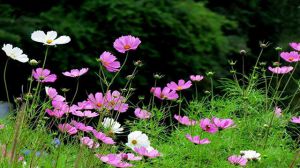
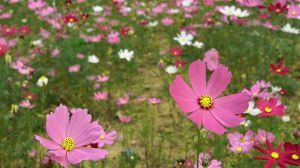
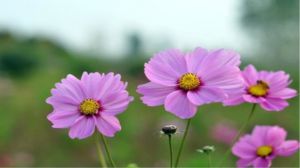
In daily care, also pay attention to air circulation in the environment to reduce the occurrence of pests such as aphids and red spider mites. If bud or flower drop occurs, it is mostly related to insufficient light, irregular watering, or a lack of nutrients; just find the cause and adjust in time. In addition, Chinese hibiscus and gesang flowers are not the same plant; gesang flowers generally refer to highland flowers such as cosmos. The two belong to different families and genera, and their planting methods differ, so they should be clearly distinguished when buying and planting.