Spider Plant Varieties: Characteristics of Common Spider Plant Varieties and How to Care for Them
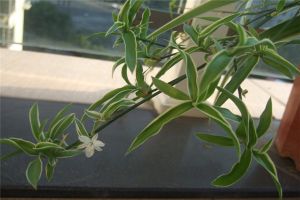
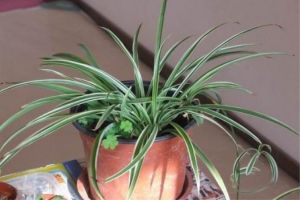
The spider plant (Chlorophytum comosum) is a perennial evergreen herbaceous plant, named for its slender leaves, creeping runners, and small plantlets that hang down as they grow. It is highly adaptable and easy to manage, making it a common indoor foliage plant and a popular green plant for decorating windowsills and bookshelves in many homes.
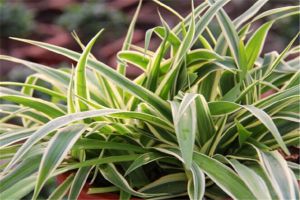
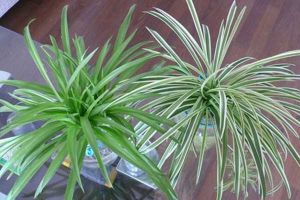
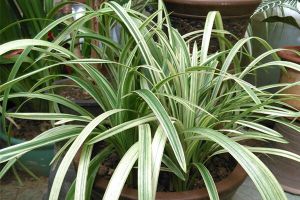
Common spider plant varieties are mostly classified by leaf color. The variegated spider plant has yellow-white stripes along the leaf margins, while the reverse variegated spider plant has white edges; the 'Vittatum' and white-centered types have yellow or white longitudinal stripes down the center of the leaf with bright green on both sides. There are also the all-green spider plant with pure green leaves and the curly spider plant with curled leaf surfaces, each with its own distinctive ornamental appeal.
For care, spider plants prefer warm, humid conditions and diffused light; they dislike direct strong sunlight and should not be kept in shade for long periods. Water when the soil feels dry, and avoid leaving the potting soil waterlogged for long periods, as the roots rot easily. During the vigorous growth period, a light fertilizer can be added as needed, and in winter keep the plant warm and protected from the cold. In varieties such as the yellow-edged and white-edged types, the leaf stripes may fade when light is too strong or too weak, so the plant's position can be adjusted according to how the leaf color looks.
In daily care, yellowing leaf tips on spider plants are mostly related to dry air, improper watering, or overly concentrated fertilizer; check the environmental conditions first and then adjust gradually. The small plantlets growing on the runners can be cut off and planted directly in soil or grown in water; they root easily and propagate simply, making them very suitable for beginners to practice with.
Related Reading