Is Kalanchoe Poisonous? Things to Note for Indoor Placement and Care
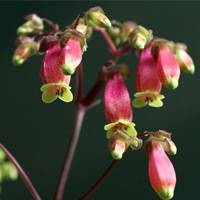
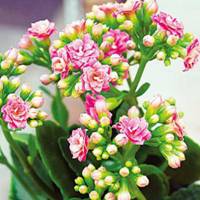
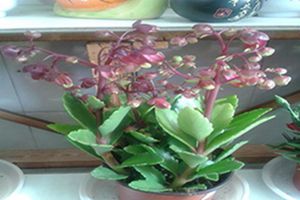
Kalanchoe (Kalanchoe blossfeldiana) is a perennial succulent herb in the Crassulaceae family, genus Kalanchoe. Because of its long blooming period and auspicious meaning, it is often grown at home as a New Year festive flower. Many people ask before getting one whether Kalanchoe is actually poisonous. Generally speaking, the toxicity of Kalanchoe is very weak, and normal display for viewing and routine watering and care will not cause harm, so it is a flower that can be kept indoors without worry.
It should be noted that the sap of Kalanchoe should not be taken by mouth, nor should it get into the eyes or onto wounds. A few people with sensitive skin may feel slight discomfort after pruning or pinching off leaves; simply wash hands with clean water after contact. After all, it is not an edible plant, so if there are young children or cats and dogs at home, it is best to place the pot out of reach to avoid chewing and accidental ingestion, and any abnormality should be dealt with promptly.
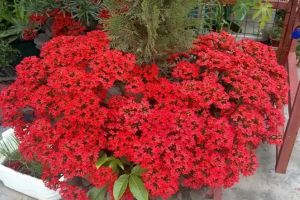
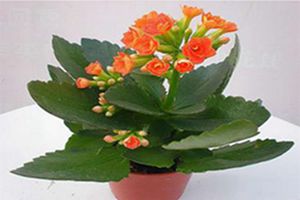
From the perspective of care, Kalanchoe likes warmth and ample light, is drought-tolerant and afraid of waterlogging, so you can wait until the potting soil dries out completely before watering, and in winter pay attention to cold protection and keeping it warm. When it blooms, the colors are rich, with red, pink, yellow, orange and other flower colors all common, and cut branches root easily from cuttings, making it a flowering plant very suitable for beginners.
Overall, Kalanchoe is basically non-toxic and can be kept without worry. As long as it is not eaten by mistake and the sap is not touched for long periods, placing it on a balcony, in a living room or on a windowsill is very suitable; it can both decorate the home and match the beautiful meaning of health and longevity.
Related Reading