The flower language of the Kalanchoe means health and longevity, symbolizing great fortune and happiness
Kalanchoe, also known as the longevity flower and Christmas kalanchoe, is a perennial succulent herbaceous plant in the Crassulaceae family, genus Kalanchoe. Its flower language mainly includes such beautiful meanings as health and longevity, great fortune, and auspicious blessings of happiness and long life. Because of its auspicious name and long-lasting flowering period, it is often used as a New Year flower during festivals such as New Year's Day and the Spring Festival, given to elders or placed at home to express wishes for peace and smooth going.
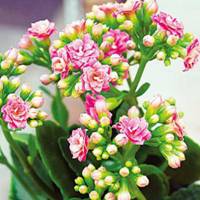
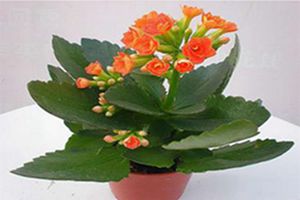
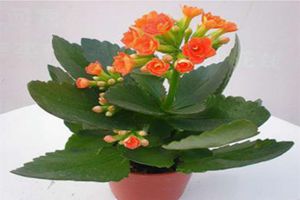
The flower language of the kalanchoe is closely related to its growth characteristics. Its flowers are small and dense, clustered into groups, and come in many colors such as red, pink, orange, yellow, and white. A single plant can be enjoyed for several months, blooming long without fading, so people give it the meaning of lasting endurance and vigorous vitality. The plant is compact and low-growing, making it very suitable for potted placement on windowsills and desks.
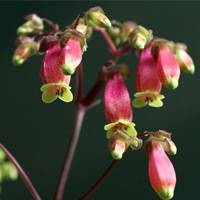
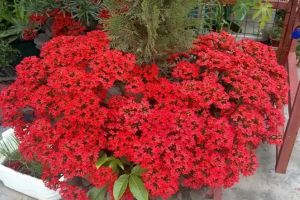
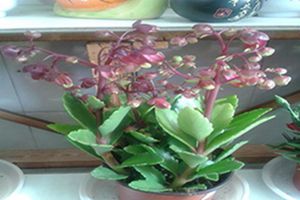
Kalanchoes of different flower colors also have slightly different meanings. Red is warm and festive, suitable for giving during festivals; pink is gentle and romantic, mostly used to bless friends; yellow is bright and eye-catching, often seen as a symbol of wealth and vitality. Varieties such as the palace lantern kalanchoe have flower shapes like small lanterns hanging from the branches, adding even more of a prosperous and auspicious feel.
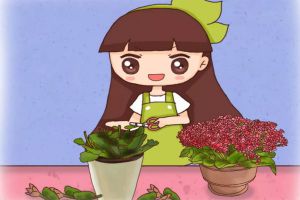
In application, the kalanchoe is especially suitable as a floral gift when visiting elders or celebrating a housewarming, and can be given together with blessings for health and peace. In daily care, it likes a sunny, warm, and somewhat dry environment. Watering should follow the principle of watering when dry and letting it dry between waterings, avoiding waterlogging that rots the roots. After flowering, promptly cut off the spent flowers and prune the branches appropriately to encourage new shoots, so that it blooms more and more vigorously the following year.
Related Reading