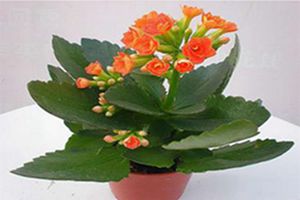
Kalanchoe usually blooms from winter to spring, and with good care it can flower for several months.
Kalanchoe (Kalanchoe blossfeldiana) is a perennial succulent herb in the Crassulaceae family, genus Kalanchoe, and is popular for its long blooming period and auspicious meaning. Its flowering period is mostly concentrated in winter and spring, generally starting to form buds around December and continuing to bloom until about April of the following year. A single flush of flowers can last one to two months, and the overall ornamental period can often reach several months.
Kalanchoe is a short-day plant, and flower bud differentiation requires a relatively long period of short-day conditions and a certain day-night temperature difference. Temperature has an obvious effect on the flowering period, and the suitable temperature for flowering is roughly between 15 and 25 degrees Celsius. If the temperature is too low or too high, it is prone to growing only leaves without blooming, dropping buds, or a shortened flowering period.
To make Kalanchoe bloom for a long time, ensure sufficient light during the autumn and winter stages, while avoiding prolonged light exposure at night. Follow the principle of watering only after the potting soil has dried out. Before and after bud formation, some fertilizer with a higher phosphorus and potassium content can be added. After the flowers open, try to move the plant as little as possible; frequently changing the environment can easily cause flowers and buds to drop.
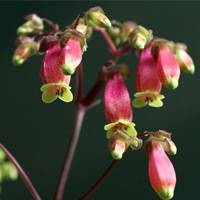
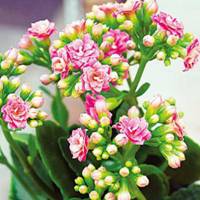
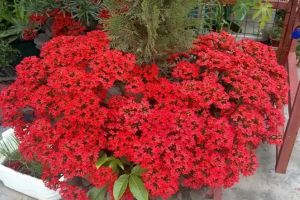
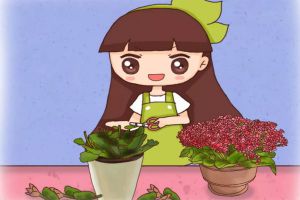
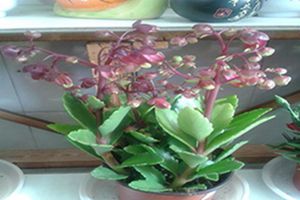
After the flowering period ends, promptly cut off the spent flowers together with part of the branches below the flowers. This not only keeps the plant shape compact but also helps the plant recover and produce flower buds again. There are many varieties of Kalanchoe, divided into single-petaled and double-petaled types, with flower colors covering red, pink, orange, yellow, white, and more. The common Kalanchoe manginii is also distinctive for its bell-shaped flowers. With proper care, they can all bloom as expected in winter and spring.
Related Reading