A Complete Guide to Common Flowers with Pictures and Names, Helping You Easily Identify Flowers and Grow Them Well
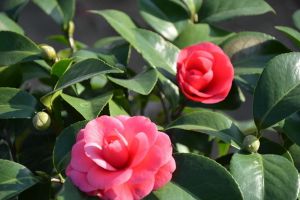
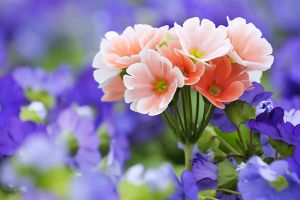
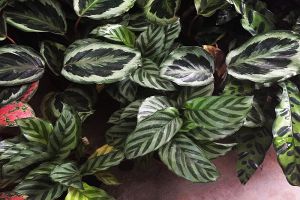
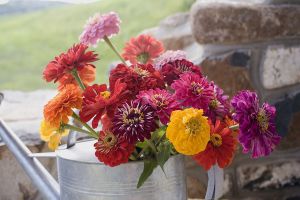
Common flowers with pictures and names means pairing the flower varieties you see most often in daily life with clear images and accurate names, organized together so everyone can compare and identify them. Many beginners at growing flowers come across a plant they like at a flower market or online but cannot name it, and when they want to look up how to care for it they have no idea where to start. This kind of picture-and-text reference format solves exactly that problem.
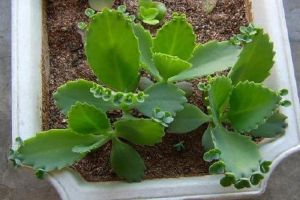
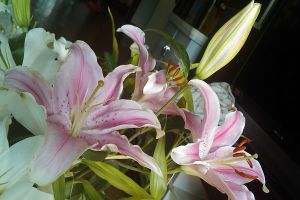
Common flowers can be broadly divided into two categories: flowering plants and foliage plants. Flowering types such as Chinese rose (Rosa chinensis), gardenia, jasmine, kalanchoe, Christmas cactus, and bougainvillea win you over with their flower colors and shapes; foliage types such as pothos, spider plant, snake plant, arrowroot (Maranta arundinacea), and peace lily have leaves that stay green all year round, making them very suitable for decorating indoor spaces. In addition, there are drought-tolerant varieties like succulents and the "thick-skinned" plants, as well as common cut-flower materials such as lilies and African daisies (Gerbera).
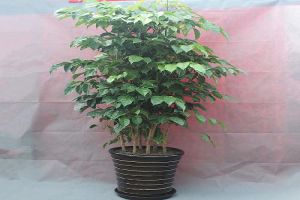
Learning to identify flowers by name is very helpful for everyday care. Different flowers have very different requirements for light, water, and temperature. Pothos tolerates shade and is easy to grow, so it suits indoor spots with scattered light; jasmine and Chinese rose, on the other hand, like plenty of sunlight. Once you know the name, looking up information becomes much easier, and when yellow leaves or pests and diseases appear you can treat them accordingly, just as the common pests and diseases of the green treasure tree (Radermachera sinica) have corresponding control methods.
For beginners, there is no need to be greedy when choosing flowers. You can start with varieties that are easy to grow and easy to root from cuttings; many common flowers can be propagated from cuttings using stems or leaves. Normally, by matching pictures to remember names and habits, and then gradually experimenting based on your own home's lighting and environmental conditions, you will slowly build up your own set of flower-growing experience.
Related Reading