Common Pests and Diseases of the Radermachera hainanensis and Their Control Methods
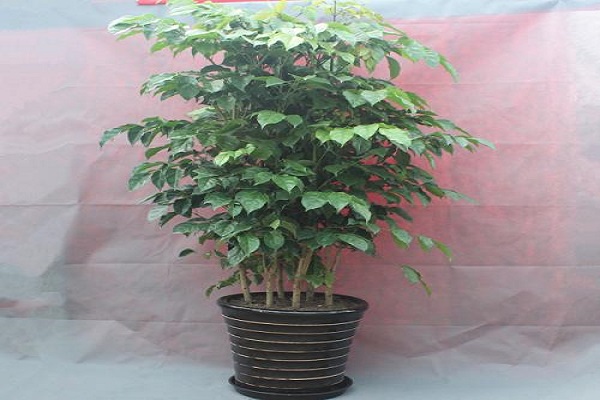
I. Diseases and Their Control
1. Leaf spot
If during the hot, rainy summer season it is not given a ventilated, breathable environment, it easily catches this disease.
2. Treatment methods
Air circulation should be increased, light should be increased, and water should not be allowed to stand on the leaves for long periods. If only a few leaves are diseased, remove and burn them promptly. Spray it with 50 percent carbendazim every 15 days, and after three or four consecutive applications it can recover. If it is kept at home, in the early stages of the disease you can apply Dakning cream, which helps it.
II. Pests and Their Control
1. Scale insects
If the temperature and humidity are very high and there is no ventilation or air movement, especially in autumn and winter when it is kept in a greenhouse for long periods, the trunk and leaves easily become infested with this insect.
Treatment methods: give it ventilation and control humidity. If there are few insects, you can remove them directly, for example with clear tape. If there are many insects, spray with 25 percent buprofezin; products like methidathion are also very effective.
2. Mites
The usual symptoms are that newly emerged leaves are wrinkled and curled, with an uneven leaf surface. It generally occurs from June to September. If it is hot and dry, this pest appears; if it is relatively humid, it rarely occurs.
Treatment methods: you can treat it with a pesticide such as manjing, or other acaricides also work.
3. Aphids
One that commonly occurs is the green peach aphid. If this pest appears, the leaves become deformed and wrinkled, and translucent honeydew spots can be seen; this insect can be seen with the naked eye.
Treatment methods: spray with omethoate, or with products like decis.
III. Daily Care
It is suited to growing at 20 to 30 degrees. If it is above 30 degrees, use shade material to block the sun for it, sprinkle water around the environment, or move it to a windy, cool area. If it is below 10 degrees, move it indoors or into a greenhouse. It must not go below 5 degrees, which will damage the leaves. If it is kept in a lightless area for a long time, it will easily drop its leaves. If it is kept at home, in winter you can place it in a bright, high spot, which helps it receive light.