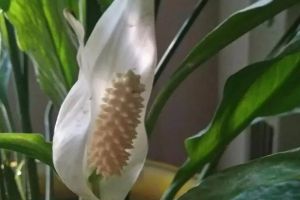
Sarcandra glabra is an evergreen plant with both medicinal and ornamental value
Sarcandra glabra (also known as Canton sarcandra) is an evergreen subshrub of the genus Sarcandra in the family Chloranthaceae, also known by the names Zhongjiefeng, Jiujiecha, Jiegulian and others; it gets its name from the noticeably swollen stem nodes. The plant is generally about one meter tall, with opposite, leathery, elliptical leaves whose edges bear fine serrations. It produces small yellow-green flowers each summer, and the fruit turns red when ripe, remaining on the plant for a long time, giving it a quite good overall ornamental effect.
Wild Sarcandra glabra is mostly distributed in the understory, ravines and shaded, damp spots along streams in the Yangtze River basin and areas to its south. It likes a warm, humid, semi-shaded environment, is afraid of direct strong light, and is not tolerant of drought or severe cold; it is suitable for planting in loose, fertile, well-drained sandy loam.
For home cultivation it is mostly grown in pots, placed in a bright spot with plenty of scattered light, avoiding harsh sun exposure. During the growing season the potting soil should be kept moist but not waterlogged; when the air is dry, spray water on the leaves to raise humidity and appropriately supplement with a dilute liquid fertilizer. Propagation is commonly done by sowing, cuttings or division, and it roots more easily in spring and autumn; after winter arrives, watering should be reduced and attention paid to keeping it warm.
The value of Sarcandra glabra lies mainly in two aspects: medicinal and ornamental. Its whole plant is a traditional Chinese medicinal material; in traditional Chinese medicine it is considered to have effects such as clearing heat and detoxifying, dispelling wind and dampness, and activating blood circulation and relieving pain, and it is a commonly used raw material in many Chinese patent medicines; its extract is also used in everyday products such as lozenges and toothpaste. At the same time, it is evergreen all year round, has bright red fruit and good shade tolerance, so it can also serve as a ground cover under courtyard trees or as an indoor foliage and fruit ornamental plant. Note that its medicinal use should be carried out under a doctor's guidance, and it should not be picked and taken on one's own.
Related reading