10 shade-tolerant flowers that grow more vigorously the shadier it is, and can bloom in profusion even without sun
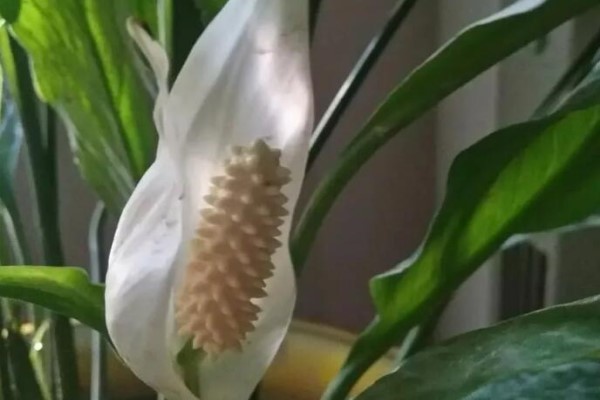
Peace lily
The peace lily is a super shade-tolerant flower that can be placed in the living room, kitchen, or study, and can be grown in soil or in water.
How to care for a peace lily?
1. The peace lily basically blooms all year round. If yours does not bloom, you can place it in a cooler spot where it receives only indoor indirect light.
2. When watering the peace lily, in summer you can water twice a week, in spring and autumn once a week, and apply a slow-release fertilizer or compound fertilizer once a month for more blooms.
Pothos
The pothos's shade tolerance is truly well known. No matter how the light is, it can live well in the living room, on the balcony, in the kitchen, bathroom, or any other place.
How to care for pothos?
1. Pothos likes water, but too much watering easily causes root rot, so normally when the pot feels light when lifted, water thoroughly, and use a loose soil of leaf mold + perlite.
2. If you want pothos to grow fast, you can water it once every half month with fermented rice-washing water, or sprinkle a small handful of slow-release fertilizer on the soil surface, which is convenient and will not burn the roots.
Asparagus fern
The asparagus fern must be placed in a semi-shady, slightly brighter spot at home. The living room is most suitable. Do not put it on a sunny south-facing balcony, as the leaves easily turn yellow.
How to care for an asparagus fern?
1. In summer, the asparagus fern can be watered twice a week, in spring and autumn once every 7-10 days, and in winter once every half month, with water sprayed on the leaves every morning and evening.
2. If your asparagus fern has branches with yellow leaves, or branches that grow very tall but do not produce leaves, resolutely cut them off at the base.
Hoya
Hoya is also fairly shade-tolerant. Basically, placed in a living room with poor light, it can still stay lush green, and in summer it can also bloom small spherical flowers that are super fragrant!
How to care for hoya?
1. Besides being shade-tolerant, hoya is also fairly drought-tolerant. When you see the soil surface is very dry and whitish, water thoroughly. It has no special requirements for soil; ordinary garden soil is fine.
2. If you want hoya to cover the whole wall, frequently spray water on the leaves to keep them moist. You can mix a little slow-release fertilizer or a few granules of compound fertilizer into the water, which can be used both to spray the leaves and to water the roots.
Impatiens
Impatiens only has lush branches and leaves and many blooms in a cool place, such as an indoor east- or west-facing balcony. Once it is placed in a spot with strong light, it easily dies from sunburn or drying out!
How to care for impatiens?
1. For watering, just keep the soil slightly moist. Do not water too much or too little, which would cause drought or waterlogging.
2. When impatiens seedlings are about 8-10 cm tall, they should be pinched back. Pinch them 2-3 times, and they will form a large flower ball and bloom especially beautifully!
Clivia
Clivia has thick, glossy leaves and is very shade-tolerant. It can basically survive anywhere in the home, but if you want it to bloom more, you can place it on an indoor east- or west-facing balcony or a south-facing balcony for care.
How to care for clivia?
1. Clivia has fleshy roots and is very drought-tolerant. Normally, water only when the soil 2 cm below the surface is dry. The soil can be pine needle soil or decomposed peanut shells.
2. Clivia likes fertilizer, especially oily fertilizers. When repotting in spring and autumn, you can place some sunflower seeds at the bottom of the pot, or bury some crushed peanuts in the soil every 3 months.
Ivy
Ivy can survive even when placed on an indoor north-facing balcony, and is super easy to grow!
1. Normally, do not water unless the soil is dry. Spray water on the leaves in the morning and evening, and add a little liquid fertilizer to the water, and it will grow super vigorously!
2. Ivy is not only shade-tolerant, it is also easy to propagate by cuttings. Pinch off a branch and stick it in soil or throw it in water and it will live!
Fuchsia
Fuchsia likes coolness. Do not expose it to strong direct sun. Normally it can be placed on an east- or west-facing balcony or an east- or west-facing windowsill where it gets morning and evening light.
How to care for fuchsia?
1. Fuchsia does not need to be watered too frequently. Generally in spring and autumn, watering 2-3 times a week is enough, and in summer once every 1-2 days.
2. Fuchsia likes fertilizer. Bury 4-5 granules of compound fertilizer about every 10 days, and water with monopotassium phosphate before blooming.
Episcia
Episcia can be considered a superstar among shade-tolerant flowers. It not only grows rapidly under poor light conditions, but also blooms in spring, summer, and autumn!
How to care for episcia?
1. Episcia has a weak root system, so use a shallower pot, and the soil should be loose. You can use a mix of garden soil, leaf mold, and river sand.
2. When the soil surface looks dry, water thoroughly. In spring, summer, and autumn, apply liquid fertilizer once every half month. Note that when watering and fertilizing, do not sprinkle it on the leaves, as they rot easily.
Hosta
Hosta is a typical shade plant. It likes coolness, and if the light is too strong its leaves easily turn yellow. It is a lazy person's flower and is very easy to grow!
How to care for hosta?
1. It basically has no requirements for soil. If you grow it in fairly compacted garden soil, it is best to add some sand for aeration!
2. Hosta likes water. In spring, summer, and autumn, keep the potting soil slightly moist, and spray water on the leaves every day, and it will grow faster!