How to remedy herbicide damage in sugarcane?
During sugarcane cultivation, weed infestation can severely affect the growth and development of sugarcane, and at this point herbicides need to be sprayed to control weeds. However, if herbicides are used improperly, phytotoxicity can occur. So how should phytotoxicity caused by herbicides in sugarcane be remedied? Let's find out together.
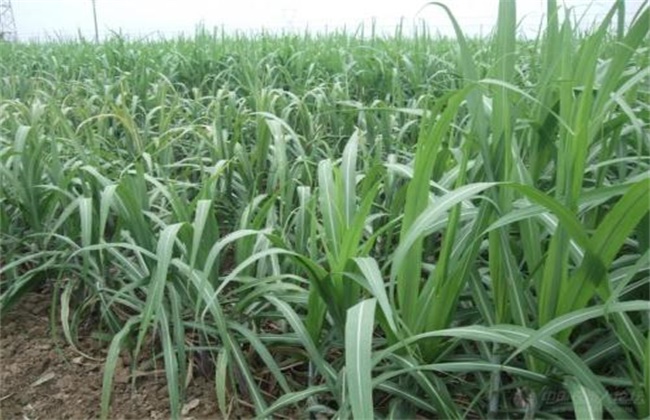
1. Rinsing with clean water
When sugarcane seedlings suffer phytotoxicity from excessive herbicide spraying, a clean sprayer should be filled with clean water promptly and used to spray-rinse the affected plants 3-5 times continuously, which can remove or reduce the residual amount of herbicide in the crop. For some herbicides that readily decompose when exposed to alkaline substances, a diluted clean-water solution of 0.2% quicklime or 0.2% sodium carbonate can be used to spray-rinse the crop, with relatively good results. For plots where phytotoxicity occurs in large patches, in addition to foliar water spraying, sufficient irrigation can also be applied to prompt the root system to absorb large amounts of water, reducing the pesticide residue within the crop and thereby achieving a good alleviating effect. For fields where the pesticide was applied to the soil, irrigation and drainage to wash the field should be carried out as early as possible, so that the pesticide is discharged out of the field with the water, while neutralizing substances are spread at the same time to reduce the phytotoxicity.
2. Topdressing with quick-acting fertilizers
According to the growing season of sugarcane and its demand for nutrients, the amount of topdressing should be appropriately increased, and quick-acting fertilizers should be applied along with watering. In addition to soil topdressing with quick-acting fertilizers, a low-concentration urea or monopotassium phosphate solution should also be sprayed on the foliage, which has a significant effect on the growth and development of sugarcane and on improving disease resistance and resistance to phytotoxicity.
3. Intertillage and soil loosening
During the growing season of sugarcane, the number of intertillage and soil-loosening operations should be appropriately increased. Intertillage should go from shallow to deep, breaking up the compacted state of the soil, increasing soil permeability, raising soil temperature, promoting the activity of beneficial microorganisms in the soil, accelerating the decomposition of soil nutrients, enhancing the root system's absorption of nutrients and water, and prompting the plants to resume growth and development as quickly as possible.
4. Spraying growth regulators
After phytotoxicity occurs, 40~50 kg of a 20 mg/kg gibberellin diluted solution can be used per mu, and after the morning dew has dried or in the evening, a sprayer can be used to evenly spray it on the front and back sides of the crop leaves, which can also produce good results and prompt the crop to grow rapidly.
The above is an introduction to remedial measures for herbicide damage in sugarcane. We hope it can help you. To learn more related knowledge, please stay tuned to us.