How to grow blueberry plants from cuttings? A detailed guide to the key techniques
Blueberries have a unique flavor and are widely popular in the market, which gives them strong market demand and good prospects for development. In blueberry propagation, cuttings are a fairly common method. So how exactly do you grow blueberry plants from cuttings? Follow along with the editor to find out.
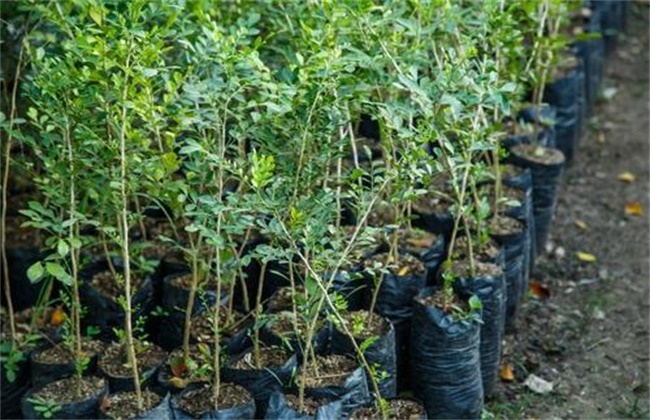
1. Timing of cutting propagation
Generally, in early spring before bud break, select one-year-old young shoots from disease-free, pest-free, vigorous mother plants, cut 30-90 cm long sections from the middle and lower parts of the branches, then cut these into 13-15 cm long cuttings. The cut surfaces of the cuttings should be smooth: the upper cut is a straight cut, and the lower cut is a slanted cut positioned below a bud. If there are flower buds on the cuttings, remove them promptly; conversely, if there are no cuttings, discard them. The cut cuttings should be tied in bundles and inserted into moist fine sand, keeping the temperature between 2-10°C.
2. Soil requirements
Blueberries have rather special habits and strict requirements for their growing environment, especially the root environment, which requires loose, fertile, acidic soil rich in organic matter. During propagation, their demands on the environment are even stricter: the moisture, pH and air humidity of the cutting medium all affect rooting. The substrate is best made of moss, which has the best water retention and air permeability; in addition, since blueberries like an acidic environment, the pH of the substrate is best kept between 4.5-5.2.
3. Cutting propagation
Before cutting, prepare a cutting bed 1 m wide and 20-25 cm high; the length depends on the actual propagation needs. If conditions allow, heating cables can also be buried to raise the bed temperature and promote rooting of the cuttings. Before cutting, rooting powder can be used to promote rooting. The insertion depth is generally half or two-thirds of the cutting, and the above-ground part of the cutting should have one young bud. When inserting, the spacing should not be too wide; 5 cm x 5 cm is suitable.
4. Propagation management
After cutting, keep the air in the bed moist and well ventilated, and spray frequently to prevent excessive water loss, which can cause the cuttings to wither and die. However, do not water too much either, to avoid waterlogging, which can prevent rooting and sprouting. Keep the substrate temperature between 20-25°C, which helps the grafting wounds heal and increases the rooting rate. From cutting until rooting, no fertilizer is needed. When the top leaves turn green, it means the cuttings have rooted; at this point, apply diluted liquid fertilizer to promote seedling growth. When fertilizing, do not leave fertilizer liquid on the leaves, to avoid damaging them. After fertilizing, you can spray water over the bed to wash away any fertilizer that may remain on the leaves.
The above is an introduction to blueberry cutting propagation techniques. We hope it helps you. To learn more related knowledge, please keep following us.