What causes plum fruit rot
During the plum ripening season, some growers are not very happy, because many plums on their trees have rotted, and their profits have been greatly affected. Plum fruit rot has always been a relatively big problem, and it is also quite common. When it occurs, the losses are also relatively large. So what generally causes plum rot in daily life?
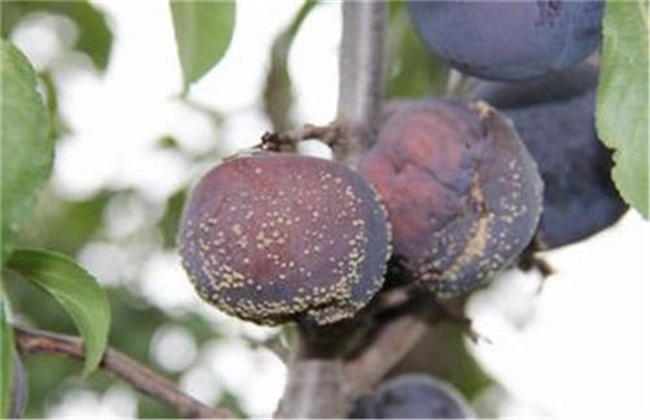
1. Brown rot
This is a relatively serious disease. The pathogen parasitizes on the plum, slowly develops over time, and eventually threatens the entire fruit. In the early stage of the disease, spots gradually appear on the surface of the plum. The spots are generally brown, and then in a hot and humid environment, these spots slowly become moldy, until finally the entire fruit is covered with mold spots. After the plum is covered with mold spots, some become shriveled, some simply have the exterior covered with mold spots, and some develop rot and mold. This can be prevented with drugs such as 70% mancozeb wettable powder (slightly toxic) sprayed at 438-700 times dilution. If the disease has already occurred, first remove the diseased fruit, and then 78% Bordeaux · mancozeb wettable powder (low toxicity) sprayed at 500-600 times dilution and similar drugs can be considered for treatment. When using the agents, be sure to pay attention to the concentration issue, so as not to affect later sales.
2. Pests
Pests are also one of the causes of plum fruit rot, mainly caused by some insects invading the plum, while some parasitize on the surface of the plum and cause rot over time. Common insects include scarab beetles, fruit borers and the like. The former can generally be seen on or near the surface of the plum, while the latter generally burrows into the fruit, so you need to check whether there are holes and similar conditions. These pests will continuously suck the nutrients of the plum, preventing the fruit skin from healing itself, and finally causing rot. Control effects are fairly good with drugs such as 65% zineb wettable powder at 500-600 times dilution, or 75% carbendazim at 300 times dilution, or 70% thiophanate-methyl at 800-1000 times dilution.
3. Overgrowth
The rot caused by this situation mostly occurs in the later stage. It is generally when the plum is overripe, the peel ages, the internal nutrients overflow, and finally infection and rot are caused. On the plum tree, not all fruits grow evenly. There are always some fruits that grow faster than most. Because the quantity of such fruits is too small, some fruit growers generally are not in a hurry to pick them, and after a long time this situation occurs.
The above are some causes of plum rot. These are relatively common, but due to environmental differences in different regions, other situations can also cause plum rot. If you want to learn more related information, you can pay attention to our follow-up content introductions.