Detailed Explanation of Fertilization Management Techniques for Fruiting Mango Trees
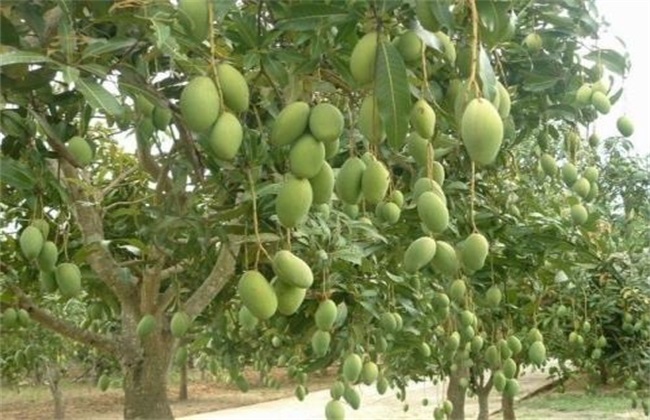
Mango is a fruit that many people enjoy very much, and it has a wide planting area in the tropical provinces of our country. When growing mangoes, fertilization work is very important. When fertilizing, we need to reasonably adjust fertilization management according to the growth stage of the mango. This is especially true during the mango fruiting period, so how should fruiting mango trees be fertilized? Below, the editor brings you the fertilization management of fruiting mango trees. Let's take a look together!
1. Fertilization before and after fruit harvest
Mango has a relatively large fruit load and is a high-yield fruit. During the mango fruiting period, the nutrient level in the tree is very low, and it can be said to be the lowest throughout the entire year for the mango. If fertilization is not carried out in time at this time, the tree will be affected in growth due to weakened tree vigor. Even if fertilizer is applied later, it will be difficult to recover in time, which is very unfavorable to the growth of the fruiting mother branches and the yield and quality of the next year. Therefore, fertilization work before and after fruit harvest is very important, and the amount applied is generally about 70% of the annual total.
When fertilizing before mango harvest, we should mainly use foliar fertilization. Generally, topdressing should be carried out one month to one and a half months before harvest, and at the same time, an appropriate amount of chemicals should be sprayed together to prevent and control diseases. The foliar fertilizer should mainly be a fertilizer high in phosphorus and potassium. In addition, when we are two months before harvest, if we appropriately spray some fruit tree harvest spirit, it can avoid excessive photorespiration consumption by the fruit, which leads to reduced accumulation of photosynthetic products, thereby improving the yield and quality of mangoes.
2. Flower-strengthening fertilizer
In early spring, when the mango tree has sprouted a large number of flower buds or before they sprout, an appropriate amount of quick-acting fertilizer should be applied. This is mainly to promote the growth of mango panicles and florets, and to improve flower quality and proportion. It is also very beneficial to the plant's low-temperature tolerance and can effectively increase yield. The fertilizer should mainly be compound fertilizer, and about 0.3 kg can be applied per plant, or peanut bran can also be applied. Then, during the full flowering stage and the early stage, an appropriate amount of boric acid should be sprayed, and pesticides and foliar fertilizers can also be sprayed in combination with pest and disease control.
3. Fruit-strengthening fertilizer
After the mango has set fruit, around May each year is the rapid expansion period of its young fruit, and it is also the time when summer shoots emerge. Fertilizing at this time can directly supply nutrients such as nitrogen and potassium to the fruit tree. It can also achieve the purpose of coordinating the contradiction in nutrient demand between branches and fruit. Reasonable fertilization can meet the nutritional needs of fruiting mango trees, but when fertilizing, we should also pay attention to reasonably controlling it according to tree vigor and fruit load. For example, if the tree vigor is strong and the fruit load is small, then less or no fertilizer can be applied; otherwise, it will lead to fruit drop.
The above is a brief introduction to the fertilization management of fruiting mango trees. That is all for today's introduction. This article is for reference only, and I hope it can be helpful to everyone!