Methods and Technical Key Points for Artificial Pollination of Peach Trees
The peach tree is actually a tree species with a relatively high rate of self-fruiting, but during its growth, if it encounters adverse weather, such as low temperatures and rain, this is very unfavorable to the fruiting of the peach tree. Therefore, many people choose artificial supplementary pollination, which can effectively improve the fruit-setting rate of peach trees. So how should peach trees be artificially pollinated? Today, the editor brings you the methods for artificial pollination of peach trees. Let's take a look together below!
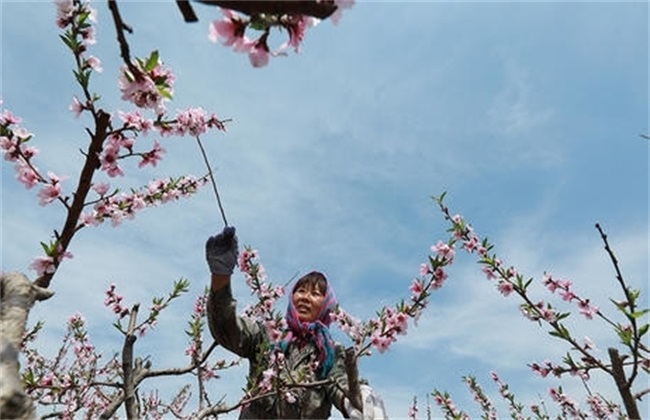
1. Pollen collection
Before artificial pollination, we first need to collect the pollen properly. About two days before the peach tree begins to bloom, collect the flowers of the variety that needs pollination, then rub the flowers by hand and sift them to obtain the anthers. You can also directly put the flowers into an iron sieve and rub them to obtain the anthers. After obtaining the anthers, the anthers need to be dried. When drying the anthers, be careful to maintain a good temperature. The temperature must not be too high, otherwise it will cause the germination rate to decrease and less pollen to be produced. If it is too low, it will prolong the drying time. The suitable temperature should be kept stable at around 22°C. Then the drying time is generally about one and a half days. Finally, the pollen must not be exposed to strong sunlight, otherwise the germination rate of the pollen will be less than 20%.
2. Pollen storage
After the pollen has been collected and processed, if it is not all used up that year and there is some left over, then the pollen must also be stored properly so that it can be used in winter or the following year. It can be refrigerated. Usually, the pollen is placed in a bottle and sealed, or it can be placed in a plastic bag. As long as it is sealed and airtight, that is enough, and then it should be placed in an environment below zero degrees. When taking it out for use, we need to do a good job of testing to ensure it can germinate normally. If stored properly, then after one year, the pollen vitality will still be 70% or more.
3. Pollination methods
There are many pollination methods. The first is to make the pollen into a pollen solution during the full bloom period of the peach tree, and then spray it with a sprayer. The pollen solution is mainly prepared with water, urea, borax, water, and so on. You can also spray an appropriate amount of fruit-setting hormone during the flowering period, and then spray naphthalene acetic acid after flowering, both of which can effectively improve the fruit-setting rate. In addition, you can also mix an appropriate amount of talcum powder or milk powder into the pollen, and then dip the flowers. It can also be placed in a gauze bag and shaken on the tree to sprinkle out the pollen. During the full bloom period, repeating this about three times can effectively improve the fruit-setting rate.
4. Bee pollination
Bee pollination is also a commonly used artificial pollination method. In an orchard where the pollination amount has reached 1/5 and the distribution is uniform, releasing some bees during the flowering period can significantly improve the fruit-setting rate. About 4 days before the peach tree blooms, remove the previously prepared bee cocoons and place them in the hive to encourage the adult bees to emerge from the hive. You can also directly place live bee colonies in the orchard and use the bees' honey-collecting characteristics for pollination, which can effectively improve the success rate of pollination.
The above is a brief introduction to the methods for artificial pollination of peach trees. That is all for today's introduction. This article is for reference only, and I hope it can help everyone!